Spätzle is one of those dinners that looks more complicated than it is. The dough takes about five minutes, the ingredients are ordinary pantry items, and you do not need a pasta machine. If you have flour, eggs, milk, and a pot of boiling water, you can make a filling meal for roughly $1.25 to $2.00 per serving, depending on what you add afterward.
I first made it with a cutting board, a butter knife, and absolutely no confidence. The shapes were uneven. Some pieces were huge enough to qualify as dumplings, while others disappeared into the cooking water. It still tasted good. That is the useful thing about Spätzle: it rewards getting dinner on the table more than it rewards perfect technique.
What You Need for a Basic Batch
For four servings, gather 2 cups all-purpose flour, 3 large eggs, 1/2 cup milk or water, 1/2 teaspoon salt, and a little butter or oil for the finished noodles. At my Columbus Kroger, the flour works out to about 35 cents, the eggs about $1.25, the milk around 20 cents, and the salt only a few cents. A tablespoon of butter adds roughly 15 to 25 cents. That puts the plain batch near $2.00 total, or about 50 cents per serving.
Use water if milk is expensive or you have an open carton that needs saving for coffee. Milk makes the dough slightly richer, but it is not required. A regular all-purpose flour bag is fine. Do not spend extra on specialty flour for your first attempt; I have made perfectly good Spätzle with the cheapest store brand.
Mix the flour and salt in a bowl. Beat the eggs with the milk, pour that mixture into the flour, and stir with a wooden spoon. The dough should be thick, sticky, and stretchy, closer to a very stiff pancake batter than a kneadable bread dough. If it looks dry and crumbly, add water one tablespoon at a time. If it pours like soup, stir in flour one tablespoon at a time.
The Easiest Way to Shape Spätzle
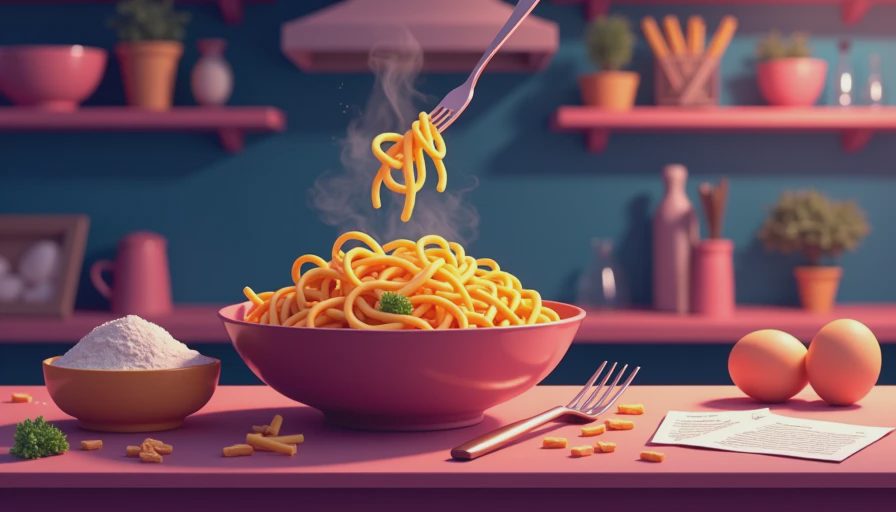
Bring a large pot of salted water to a steady boil. You want enough water that the pieces have room to move; a four-quart pot is comfortable for one batch. Now hold a wet cutting board over the pot, spoon a small amount of dough onto it, and use a wet knife to scrape thin strips directly into the water.
The pieces will not be identical. That is normal. Dip the knife in the boiling water between scrapes so the dough does not stick. Work in batches instead of dumping the entire bowl in at once. When the pieces float, give them another minute, then lift them out with a slotted spoon or drain them in a colander.
If the cutting-board method feels awkward, use a wide-holed colander or box grater over the pot. Press the dough through the holes with a spatula. A dedicated Spätzle press is convenient, but it is not a necessary purchase for a budget kitchen. Mine would have cost more than several dinners, so I skipped it.
Do not crowd the pot. A crowded batch makes the water cool down, which can leave the centers gummy. Keep the water at a lively simmer rather than an aggressive boil that splashes your hands. Hot water is the only genuinely annoying part of this recipe, so use a long-handled spoon and keep your face away from the steam.
Three Cheap Ways to Finish the Noodles
The simplest finish is butter, black pepper, and a little grated cheese. Two tablespoons of butter and 1/3 cup of shredded cheddar can turn a plain batch into a satisfying meal for about $3.50 total. That comes to less than $1 per serving if your pantry already has the salt and pepper.
For a skillet dinner, brown one sliced onion in a tablespoon of oil, add the cooked Spätzle, and let the bottoms crisp for five to seven minutes. A bag of yellow onions at Aldi is usually one of the better cheap buys, and one onion adds only around 40 cents. Add frozen peas, leftover chicken, chopped sausage, or a fried egg if you have them. This is a good fridge-cleanout meal because the noodles do not demand a delicate sauce.
You can also make a quick gravy with a tablespoon of butter, a tablespoon of flour, and 1 cup of broth. Whisk the flour into the melted butter, slowly add the broth, and simmer until thick. A splash of milk makes it creamy. This version is especially useful when you have only a small amount of leftover meat but need to make it stretch across dinner.

What Went Wrong the First Time
My first Spätzle batch failed in three predictable ways. The dough was too loose, so the pieces spread into ragged ribbons. I also boiled everything at once, which dropped the water temperature and made the centers soft. Finally, I left the cooked noodles in the colander while I cooked the topping, and they stuck together in one giant lump.
The fixes are simple. Make the dough thick enough that it clings to the spoon. Cook two or three batches. Toss each drained portion with a teaspoon of butter or oil, or put it straight into your skillet. If the dough is still sticky after cooking, that does not mean dinner is ruined. A hot skillet with butter will separate the pieces and give you crisp edges.
You can test one piece before cooking the full batch. Drop a teaspoon of dough into the water, wait until it floats, and taste it after cooling briefly. If it is tough, loosen the dough with a tablespoon of milk. If it falls apart, add flour. This tiny test saves you from guessing over an entire pot.
Make-Ahead, Leftovers, and Storage
Spätzle keeps well in the refrigerator for up to three days in a covered container. Cool it before sealing so condensation does not make the noodles watery. To reheat, use a skillet with a little butter or oil. Microwave reheating works, but the texture is softer and the pieces can stick together.
For meal prep, cook the noodles, cool them, and divide them into four containers. Add roasted vegetables, frozen peas, beans, or leftover roast chicken. Keep sauce separate if you can. A plain batch can become cheesy noodles one night, a gravy dinner the next, and a crisp skillet breakfast with an egg after that.
Freezing is also possible. Spread the cooked noodles on a tray, freeze them until firm, then transfer them to a bag. Reheat them directly in a hot skillet. They may lose a little tenderness, but they remain useful for a low-effort dinner when your budget and energy are both low.
Is Spätzle Worth Making?
Yes, especially if you want a cheap starch that feels more substantial than boxed pasta. The basic recipe costs about 50 cents per serving, takes ordinary ingredients, and can absorb whatever leftovers are already in your refrigerator. Add butter and cheese, and you still have a filling meal for around $1 per serving. Add vegetables or meat and the price rises, but the meal stretches further.
Start with the plain version before trying fancy toppings. Make the dough thick, cook in batches, and move the drained pieces into a skillet quickly. Your shapes can be ugly; nobody eating dinner needs to know that the first few fell apart. Price it out, then tell me it doesn't work. Spätzle is cheap food with enough flexibility to earn a regular place in your rotation.