The best favorite kitchen tools are not the shiny gadgets stacked in a television chef's kitchen. They are the things that help you chop an onion without fear, cook rice without scraping half of it from the bottom of the pot, and get dinner on the table when you are already tired. I learned this in a narrow apartment kitchen with one unreliable burner and a grocery budget that did not forgive many mistakes.
You do not need a $300 knife block or a drawer full of single-use plastic. A useful setup can cost about $90 to $140 if you buy slowly, choose multipurpose pieces, and watch sales at Walmart, Aldi, Kroger, or a restaurant-supply store. Here are the favorite kitchen tools I would buy first, with realistic prices and the jobs they actually handle.
Start with a dependable chef's knife
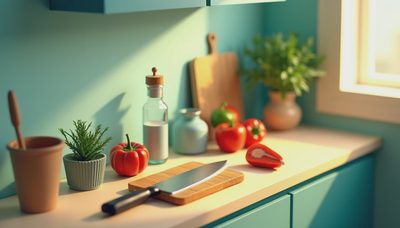
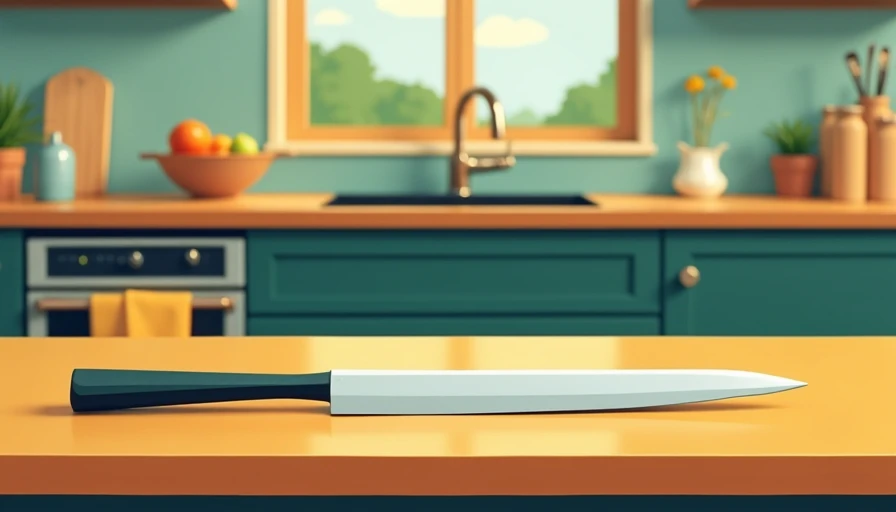
A 7- or 8-inch chef's knife is the first of my favorite kitchen tools because it replaces several unnecessary gadgets. It chops onions, slices chicken, cuts carrots, minces garlic, and handles a small head of cabbage. A basic Victorinox Fibrox often costs around $45, but an $18 to $25 chef's knife from a store brand can work well while you are starting out. The important part is that it feels secure in your hand and does not wobble.
You also need a cutting board that does not slide around. A plastic board from Target or Walmart usually costs $8 to $15. Put a damp dish towel underneath it if it moves. That small fix matters more than buying a fancy wood board. Wash the board after raw meat, and keep one side or one board for produce if you can. Do not throw away a good knife because it feels dull after six months. A $10 handheld sharpener can make a budget knife useful again, although you should follow its directions instead of dragging the blade through it aggressively.
The pan and pot that earn their space
My favorite kitchen tools include one 10- or 12-inch skillet and one medium saucepan with a lid. That is enough to fry eggs, brown ground beef, cook frozen vegetables, make pasta sauce, warm beans, and prepare rice. A nonstick skillet from Tramontina, T-fal, or a store brand commonly lands between $20 and $35. A stainless-steel skillet can last longer, but nonstick is friendlier when you are learning and less likely to punish you for using too little oil.
For the saucepan, look for a two- to three-quart pot with a lid for about $18 to $30. The lid is not optional decoration. It helps rice steam, keeps oatmeal from drying out, and shortens the time needed to heat soup. I once bought a cheap pot without a lid because it was $6 less. That decision cost me more in burned rice and extra cooking time than I saved. Price it out, then tell me it doesn't work.
If you cook for four people or like leftovers, add a five- or six-quart Dutch oven later. An enameled model from Lodge often costs about $60 to $90 on sale. It can handle chili, soup, braised chicken, and no-knead bread, but it is not the first purchase for someone cooking in a tiny kitchen.
Small tools that solve real problems
The most useful favorite kitchen tools are inexpensive and boring. Buy a sturdy box grater for $10 to $15, because it handles cheese, carrots, zucchini, and potatoes without needing a separate appliance. A can opener around $8 is essential if beans, tomatoes, tuna, or pumpkin show up in your meals. Get a pair of kitchen shears for roughly $10. They cut herbs, open packaging, trim chicken, and slice green onions directly over a bowl.
A silicone spatula and a wooden spoon should cost less than $12 together. The spatula scrapes sauce from the pan, while the spoon helps break up ground meat and stir oatmeal. Add a pair of tongs for $8 to $12. Tongs are safer than trying to flip chicken with a fork, and they make it easier to toss pasta, roasted vegetables, or salad.
Skip the avocado slicer, banana keeper, strawberry huller, and tiny garlic press unless you genuinely use one. A chef's knife can do those jobs. Every object in a small kitchen should earn its drawer space.

Measuring and storage tools save groceries
A liquid measuring cup, dry measuring cups, and measuring spoons are among the favorite kitchen tools for beginners because guessing is expensive. A recipe that needs one teaspoon of baking powder can fail if you use a soup spoon, and too much salt can ruin a whole pot of beans. A basic set costs $8 to $15. You do not need a digital scale on day one, but a $15 kitchen scale becomes helpful for bread, coffee, and dividing leftovers evenly.
Storage containers are not glamorous, but they protect the food you already paid for. A set of six inexpensive glass or plastic containers costs around $12 to $25. Reused deli containers work too, as long as they are clean and close securely. Label soup and cooked meat with the date. Most leftovers are easier to use when you can see them instead of finding an unmarked container three weeks later.
A sheet pan is another quiet workhorse. A $12 to $20 rimmed pan can roast potatoes, bake chicken thighs, toast chickpeas, and hold a batch of nachos. Buy parchment only when sticking is a problem; a little oil often does the job for less.
Tools worth buying after you cook awhile
Once the basics are working, choose your next favorite kitchen tools based on the meals you repeat. If you make rice, oatmeal, or boiled eggs every week, an inexpensive rice cooker in the $25 to $40 range can be worthwhile. If you make soup and smoothies, an immersion blender around $30 can replace a larger countertop blender and take up less room. If you bake, buy an instant-read thermometer for $12 to $20 before buying specialty pans. It helps with chicken, bread, candy, and oil temperature.
I would delay an air fryer unless you have counter space and already know what you will cook in it. A small model can cost $45 to $80, and it is useful for reheating pizza or crisping frozen food, but it does not automatically lower your grocery bill. The same goes for a stand mixer. It is excellent for frequent bakers, but a $5 whisk and a bowl are enough for pancakes, muffins, and many cakes.
Build your affordable kitchen in stages
The smartest way to buy favorite kitchen tools is in stages. First get the knife, cutting board, skillet, saucepan, spatula, spoon, tongs, can opener, and measuring set. That starter group can come in near $100 if you compare prices and buy store brands. Next add a sheet pan, box grater, kitchen shears, and storage containers. After that, spend money only on a tool that removes a problem you have actually encountered three or four times.
Before purchasing, ask what the tool replaces, where it will live, and whether you can name three meals that use it. If the answer is no, wait a week. Borrow a specialty item from a friend or family member before buying it. I did this with a slow cooker and discovered that I liked the meals but hated washing the insert, so I stopped using it. That was a $40 mistake avoided.
Good cooking does not require expensive equipment. It requires a few reliable tools, enough practice to notice what went wrong, and permission to make the same cheap meal twice while you improve it. Start with the favorite kitchen tools that help you cook tonight, not the ones that look impressive in a catalog. Then price it out, use what you bought, and let your real meals decide what comes next.