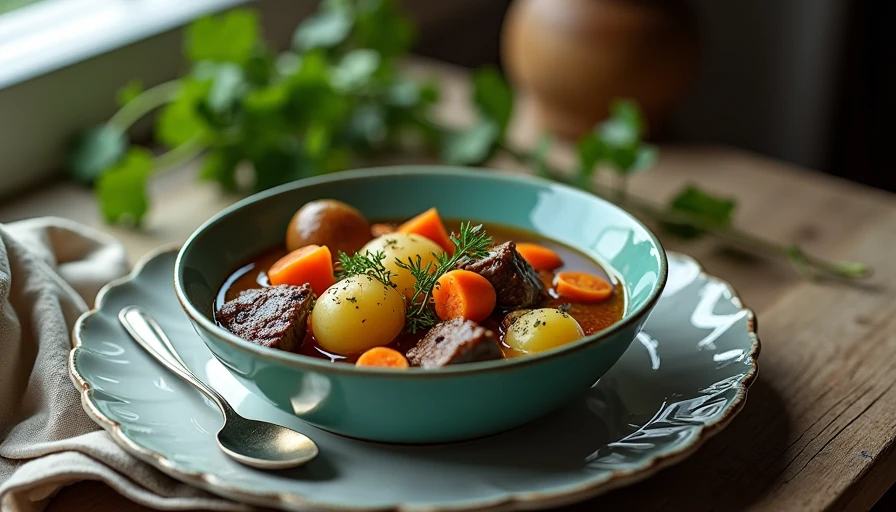
Irish stew is exactly the kind of dinner I want when the grocery money is tight: a pot of inexpensive ingredients that turns into several filling meals. You need meat, potatoes, onions, carrots, broth, and time. That is the whole idea. No specialty equipment, no complicated technique, and no need to buy the most expensive cut at the store.
This version makes about six servings. At my Columbus Kroger, I can usually price it around $14 to $17 depending on the meat sale, or roughly $2.35 to $2.85 per serving. It is not the cheapest meal in the world, but it is a real dinner with leftovers, and the leftovers improve overnight. Price it out, then tell me it doesn't work.
What you need for a basic pot
For Irish stew, buy 1 1/2 pounds of beef chuck or boneless beef stew meat, about $7 to $10 when it is not on sale. Chuck is my first choice because the longer cooking time softens the tougher pieces. If beef is too expensive, use lamb shoulder when it is discounted, or substitute chicken thighs for a faster and lighter pot. The result will not be traditional, but dinner does not have to pass a history exam.
You also need one large yellow onion, three or four carrots, two pounds of potatoes, three cloves of garlic, four cups of beef broth, two tablespoons of flour, two tablespoons of cooking oil, one teaspoon of dried thyme, a bay leaf, salt, and black pepper. A small bottle of Worcestershire sauce is optional. It adds a darker, meatier taste, but I would not buy it solely for this recipe.
A bag of carrots, a three-pound sack of potatoes, and a carton of store-brand broth can usually cover several meals beyond this pot. That is where the grocery math gets better. The ingredients are not single-use purchases.
How to make Irish stew without making it complicated
Cut the beef into pieces about one inch across. Pat them dry with a paper towel if you have one; dry meat browns more easily. Season with salt and pepper. Heat the oil in a large Dutch oven or heavy pot over medium-high heat. Brown the beef in two or three batches, leaving room between the pieces. This takes about two minutes per side. Do not worry if the meat is raw in the middle. It will finish cooking later.
Move the browned beef to a bowl. Add the chopped onion and cook for four minutes, scraping up the brown bits from the bottom. Add the garlic for 30 seconds. Sprinkle in the flour and stir for one minute. The flour helps the broth become lightly thickened instead of watery.
Pour in the broth slowly while stirring. Add the beef, thyme, and bay leaf. Bring everything to a gentle simmer, then lower the heat. Cover the pot and cook for about 60 minutes. Add the carrots and potatoes after that first hour so they do not collapse into mush. Cover again and cook for another 35 to 45 minutes, until the beef is tender and the potatoes can be pierced easily with a fork.
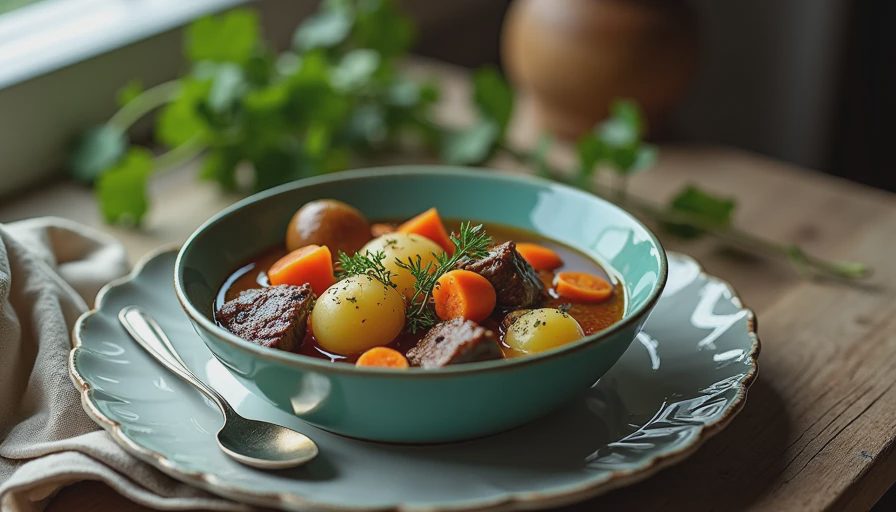
If the pot looks thin, remove the lid for the final 10 minutes. If it looks too thick, add half a cup of water or broth. Taste before adding more salt because commercial broth can already be salty. Remove the bay leaf before serving. That tiny step is not glamorous, but biting into one is a bad way to end a good dinner.
The mistakes that can ruin the pot
The most common Irish stew mistake is crowding the beef. When all the pieces touch, they release moisture and steam instead of browning. You can skip browning in a true emergency, but the finished stew will taste flatter. Even five minutes of browning in batches makes a noticeable difference.
The second mistake is boiling hard. A violent boil makes the outside of the beef tighten while the inside takes longer to soften. You want small bubbles around the edge, not a pot that rattles the lid. If your stove runs hot, use the lowest setting that keeps the liquid moving gently.
Adding the potatoes too early is another problem. They can break apart, absorb all the broth, and leave you with beef soup full of potato flakes. Cut large potatoes into two-inch chunks and add them during the final 40 minutes. If you like very soft vegetables, add the carrots with the potatoes; if you want them to hold their shape, add the carrots 10 minutes later.
I once rushed Irish stew by turning the burner up because I was hungry. The meat was chewy after an hour, and the bottom nearly burned. I added water, lowered the heat, and gave it another 45 minutes. It recovered, but patience would have been cheaper than scraping the pot.
Cheap substitutions that still make sense
For a budget Irish stew, frozen sliced carrots work perfectly and eliminate peeling. You can use russet potatoes, Yukon Gold potatoes, or whatever is already in the pantry. Russets break down more, which naturally thickens the broth. Gold potatoes stay in chunks and have a creamy texture.
A half-pound of beef plus one can of drained white beans is another practical stretch. Brown the smaller amount of beef, then add the beans during the final 15 minutes so they do not disintegrate. This will not taste like a restaurant version, and that is fine. It gives you more servings for less money.
You can replace part of the broth with water, especially if you add a spoonful of tomato paste or a small splash of Worcestershire sauce. Do not add a whole can of tomatoes unless you want a tomato-based beef soup; that is a different direction. Irish stew should still taste like meat, onions, potatoes, and herbs.
Serving, storing, and reheating leftovers
Irish stew is good with bread, rice, or nothing at all. If you have flour and yeast, homemade bread is satisfying, but a marked-down bakery roll works just as well. A small side of frozen peas adds color and costs less than a fresh vegetable purchased only for this meal.
Cool leftovers within about two hours, then store them in shallow containers in the refrigerator. Use them within three to four days, or freeze individual portions for up to a few months. The potatoes can soften after freezing, but the flavor remains useful for a work lunch.
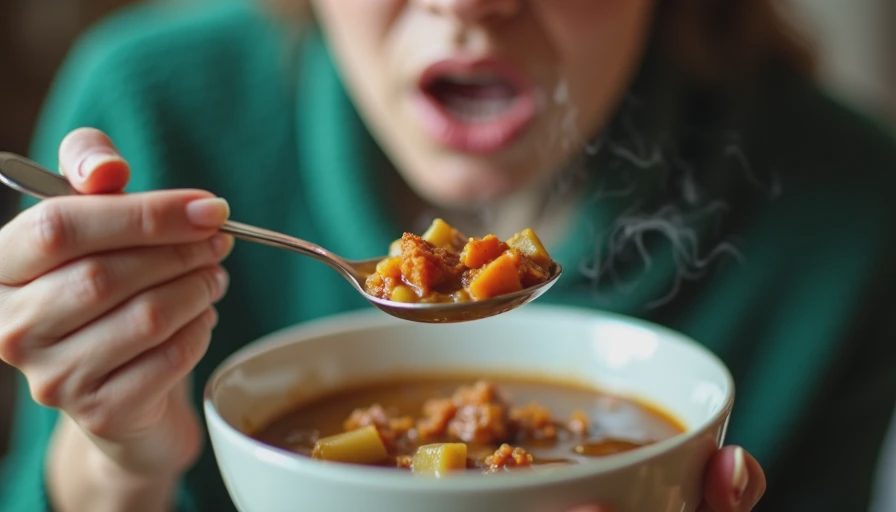
Reheat one serving in a saucepan over medium-low heat with a splash of water. Stir occasionally until it is steaming hot throughout. The microwave also works: cover the bowl loosely, heat for two minutes, stir, and continue in 30-second bursts. Do not judge the thickness while the stew is cold; it loosens as it warms.
A simple shopping plan and final cost
Here is my practical shopping list: stew beef at $8.50, potatoes at $3, carrots at $1.25, onion at 75 cents, broth at $2.50, and pantry items at about $1.50 for oil, flour, garlic, and herbs. That comes to roughly $17.50 if every item must be purchased. The true recipe cost is lower when you already have oil, flour, salt, and pepper.
To stretch Irish stew further, serve smaller bowls with bread and freeze two portions immediately. Do not leave the entire pot in the refrigerator and hope you will remember it on Thursday. I have forgotten plenty of food that way. Label the container with the date; future-you deserves useful information, not a mystery brick.
If you are new to cooking, this is a forgiving recipe. Brown what you can, keep the heat gentle, check the potatoes, and adjust the liquid. Irish stew does not require perfect knife cuts or expensive ingredients. It requires a pot, a little time, and enough food to make tomorrow's dinner easier.