There are foods you eat because the budget says you have to, and there are foods you eat because they still taste right even when money is no longer the deciding factor. The second category is smaller and more personal. Those are the ones that survive the upgrade in income, the nicer kitchen, and the ability to order whatever you want.
This is not about romanticizing being broke. It’s about noticing which inexpensive foods actually earned a permanent place instead of just filling a gap. Ask around and the same names keep coming up. The reasons are usually a mix of nostalgia, texture, speed, and the fact that some things are simply hard to improve on.
The Foods That Keep Showing Up
Rice and egg in some form
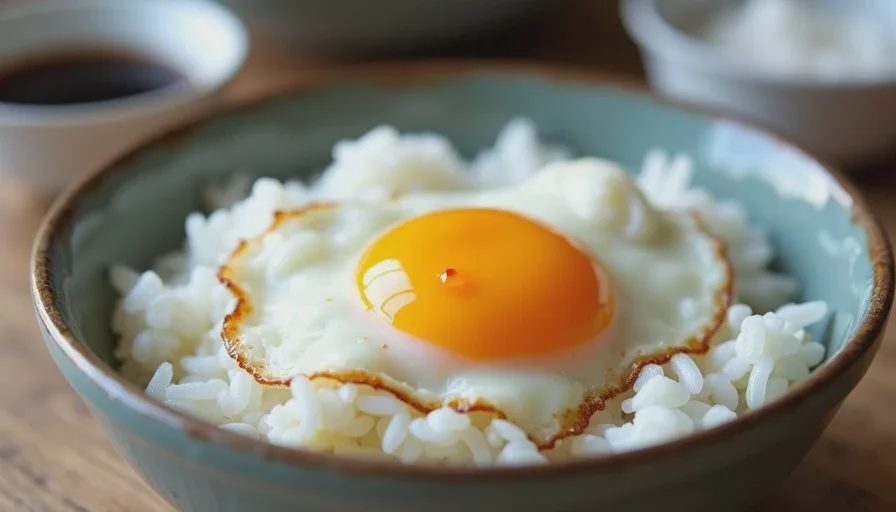
A bowl of rice with a fried or scrambled egg on top, maybe soy sauce, maybe chili crisp, maybe nothing but salt. It is one of the most common answers. It is fast, filling, and flexible. When people have more money they often buy better rice or better eggs, but the basic combination stays. It does not need to be elevated. It already does the job.
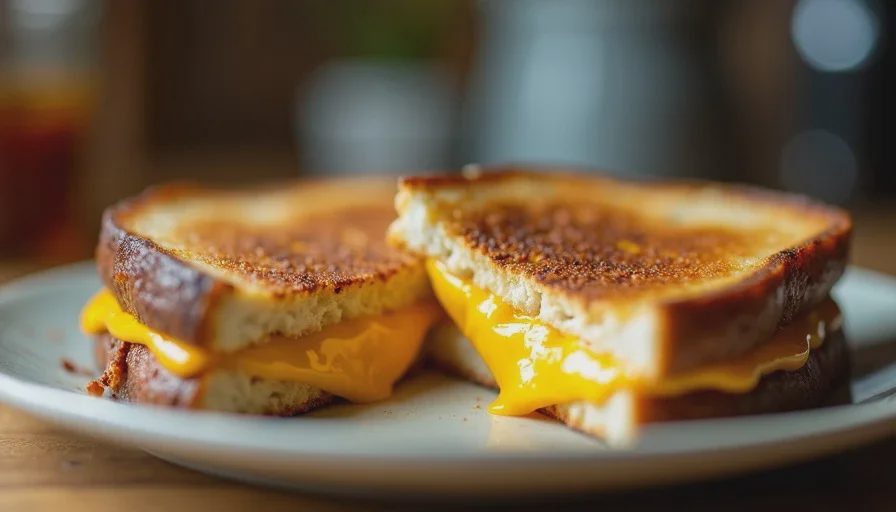
Grilled cheese or cheese toast
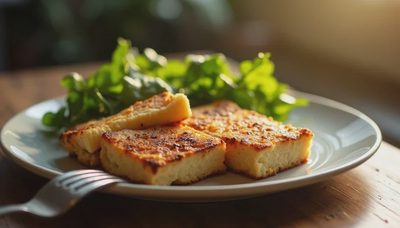
Properly made grilled cheese is hard to beat for the effort involved. Some people move to better bread and better cheese. Others keep the same supermarket bread and American or cheddar they grew up on because that specific version is the one that tastes like home. Either way, the sandwich itself does not disappear.
Butter noodles or plain pasta with butter and cheese
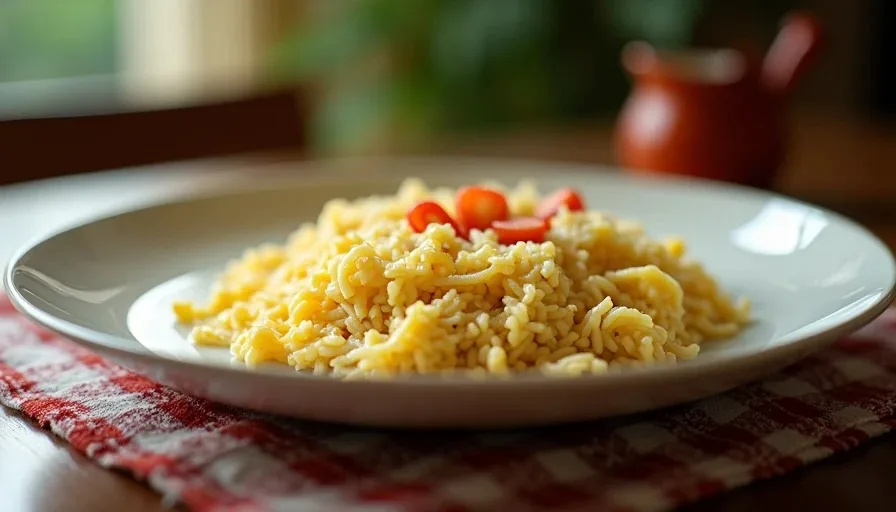
This is the food a lot of people make when they are tired, sick, or just want something soft and predictable. Higher income might mean better pasta or real Parmesan, but the core idea remains. It is one of the purest comfort formats that happens to be cheap.
Bean and rice bowls or simple bean dishes
Black beans, pinto beans, lentils. When they are seasoned well they do not feel like deprivation food. People who grew up on them often keep a pot going even when they can afford meat every night. The cost is almost irrelevant at that point. The taste and the habit are what matter.
Oatmeal or simple breakfast porridge
Not the heavily topped Instagram version. Just oats cooked in water or milk with a little salt or sugar or peanut butter. Some people never stop eating it. It is warm, cheap, and requires almost no thought.
Cabbage in some form
Roasted, sautéed, or in a simple slaw. Once someone learns how to cook cabbage so it tastes good, it often stays in the rotation. It is one of the few vegetables that is both extremely cheap and actually satisfying when treated right.
Peanut butter on toast or by the spoon
This one is almost universal. Income does not seem to affect peanut butter consumption much. It is calorie-dense, shelf-stable, and tastes like itself.
Why These Foods Survive the Budget Upgrade
They are fast. When you can afford takeout or a more complicated meal, you still have days when you do not want the complication. The cheap foods that remain are usually the ones that can be ready in ten or fifteen minutes with almost no cleanup.
They are reliable. You know exactly how they will taste. There is no risk of a disappointing expensive meal. That predictability becomes more valuable, not less, when you have more options.
They carry memory. A lot of the foods people keep are the ones that got them through harder stretches. Eating them later is not about reenacting poverty. It is about keeping a thread to a version of yourself that figured it out with less. That emotional layer does not disappear when the bank account improves.
They are hard to improve in a way that matters. A perfect fried egg on good rice does not become dramatically better because you spent four times as much. The same is true for a well-made grilled cheese. At a certain point the expensive version is just different, not superior for the purpose it serves.
The Difference Between “Still Cheap” and “Still Good”
There is a useful distinction here. Some people keep eating certain foods because they are still the cheapest option and old habits die hard. Others keep eating them because they actively prefer them for specific situations. The second group is the more interesting one for this conversation.
You can test it on yourself. If your income doubled next month and you never had to look at prices again, which of the current cheap staples would still appear on your table in a normal week? Not as a nostalgia project, but as a regular choice. Those are the keepers.
For me the list is short: rice and egg, a basic cabbage sauté, and peanut butter toast late at night. Everything else I ate during tighter years was functional and I was happy to replace it once I could. Those three stayed because they still do something the expensive options do not do better.
The Ones People Are Happy to Leave Behind
Not every cheap food earns a permanent spot. A lot of people drop the ultra-processed versions, the repeatedly reheated meal-prep chicken breast, the sad desk salads, and the meals that only existed because they were the last edible thing in the house. That is healthy. The goal of stretching a budget is not to freeze your eating habits at the most restricted version forever.
The useful question is which inexpensive foods actually tasted good to you, not just which ones were available. Those are the ones worth carrying forward.
Your Turn
What is the one cheap food you expect to keep eating even if money stops being a constraint? Not the one you think you should keep for moral reasons. The one you would still make on a random Tuesday because you want it.
It can be as plain as buttered toast or as specific as a certain brand of instant noodles with an egg cracked in. The only requirement is honesty.
Drop it below. If you have a short story about why that particular food stuck around, even better. The answers are usually more revealing than the usual “what’s your favorite restaurant meal” conversation.