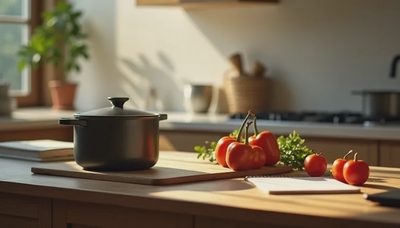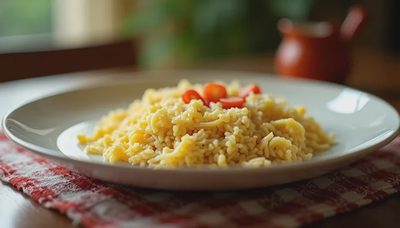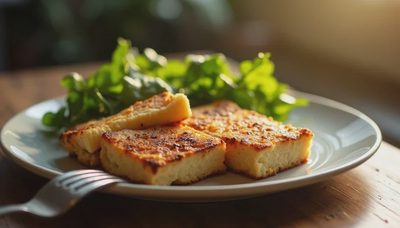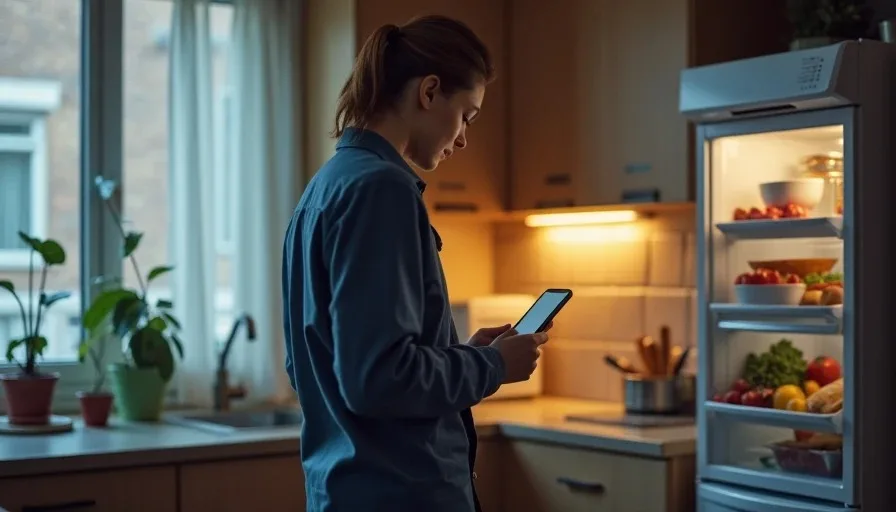
The cycle is familiar. You get home late, your brain is done, the idea of chopping an onion feels impossible, and the delivery app is already open. Twenty-five minutes later you’ve spent $18–30 on food that wasn’t even that good, and you promise yourself tomorrow will be different. Tomorrow often isn’t.
This isn’t a willpower problem for most people. It’s a systems problem. When energy is near zero, the path of least resistance wins. The only approaches that stick are the ones that make the path of least resistance something other than takeout.
I’ve been through this loop more times than I want to admit. So have a lot of people here. What follows is the collection of tactics that have actually reduced takeout frequency for people who work long days, commute, or just hit a wall at 6 or 7 p.m. No “just meal prep for three hours on Sunday” advice that collapses the first week you’re extra tired.
Lower the Bar for What Counts as Cooking
The biggest mental trap is thinking dinner has to be a proper cooked meal with multiple components. When you’re exhausted, that standard guarantees failure.
Redefine the win. Any of these can count as a successful no-takeout night:
Eggs and toast with a piece of fruit or some frozen vegetables thrown in the pan
A bowl of rice with a fried egg and soy sauce or hot sauce
Leftovers reheated with something added so they feel less repetitive
A baked potato with cheese, beans, or an egg on top
Rotisserie chicken pulled from the fridge and eaten with whatever is around
A grilled cheese and a handful of raw carrots or an apple
These are not impressive. They are also not $25. The goal on low-energy nights is simply “I fed myself without ordering delivery.” Save the more involved cooking for days when you have more gas in the tank.
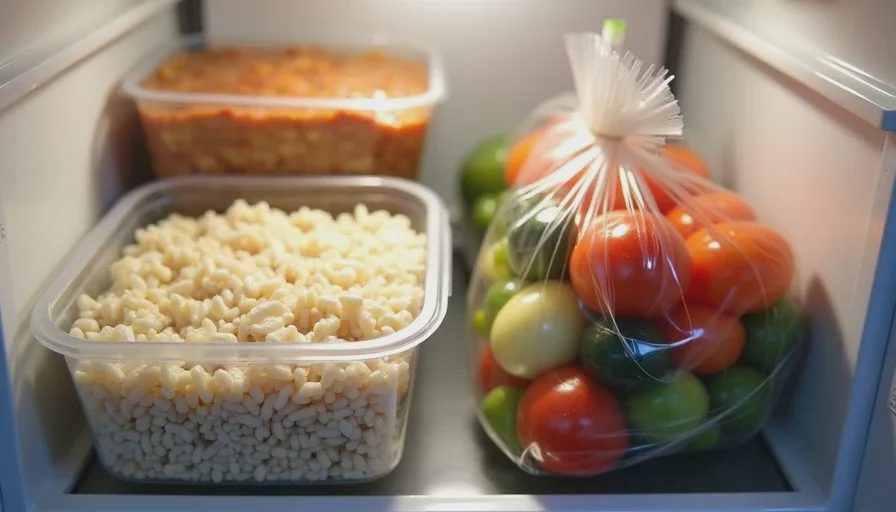
Once you accept that a 10-minute egg-and-toast dinner is a win, the number of nights you actually cook goes up. The nights you used to default to takeout start getting covered by these minimum-viable meals.
Build a “No-Think” Backup Shelf and Freezer
Decision fatigue is real. When you’re tired, even choosing what to cook is enough to push you toward the app. The fix is having two or three default options that require almost no decisions.
Useful backups that keep well:
A bag of frozen mixed vegetables or broccoli
Eggs
Bread, tortillas, or rice that cooks quickly
A couple of cans of beans or tuna
One or two frozen burritos, dumplings, or similar items you actually like (used as a bridge, not the whole solution)
Pre-cooked rice or grains in the fridge or freezer
A store-bought rotisserie chicken on weeks when you know the schedule will be brutal
The point is not to eliminate all cooking. It’s to make sure that when your brain is offline there is still a path that ends with food in a bowl instead of a delivery driver at the door.
Some people keep a literal list on the fridge: “If you’re too tired, make one of these three things.” It sounds silly until you realize how often the only barrier was deciding.
Use Partial Prep Instead of Full Meal Prep
Classic Sunday meal prep fails a lot of people because it requires a big block of energy and produces five identical containers that start looking sad by Wednesday. A lighter version works better for many.
Partial prep examples that take 30–45 minutes and pay off all week:
Cook a pot of rice or a batch of potatoes
Brown a pound of ground meat or bake a pack of chicken thighs
Wash and chop one or two vegetables that keep well (cabbage, carrots, onions)
Hard-boil a few eggs
You are not assembling complete meals. You are creating components that can be combined in different ways with almost no effort later. Coming home to already-cooked rice and protein turns “I have to cook dinner” into “I have to heat two things and maybe fry an egg.” That difference is often enough.
If even that feels like too much some weeks, do less. Just the rice. Or just the protein. Any reduction in after-work steps helps.
Time-Shift the Work When Possible
Some people find it easier to do a little cooking in the morning or right when they get home before they sit down. Once you sit and scroll, the inertia gets harder to break.
Others use the “start something immediately” rule: put a pot of water on or throw frozen vegetables in a pan the moment you walk in the door, before changing clothes or checking messages. Momentum is easier to keep than to start from zero.
A different approach that works for some is cooking a bigger dinner every other night and deliberately eating leftovers the next night. You still cook, but only half as often. The key is making enough and storing it in a way that still looks edible the next day.
Deal with the Real Triggers
For a lot of people the takeout urge is not only about hunger. It’s about not wanting to face the kitchen, the dishes, or the feeling of deprivation. A few practical counters:
Keep the number of dishes required for backup meals extremely low. One pan or one pot maximum.
Give yourself permission to use paper plates or skip full cleanup on the worst nights. Perfect is the enemy of “I cooked.”
If certain delivery foods are a specific craving, keep a cheaper version in the house (frozen pizza, decent instant ramen upgraded with an egg and frozen veg, etc.). It is still better than the $30 version.
Notice the times of week or types of day that are highest risk and pre-position food for those days.
Some people also set a simple rule: no delivery apps on the phone during the week, or delete them and only reinstall on weekends if needed. Friction works both ways.
What Usually Does Not Work Long-Term
Ambitious meal-prep plans that require hours and produce food you don’t actually want to eat by day four
Relying only on motivation or “I just need more discipline”
Buying a lot of fresh ingredients on Sunday that go bad by Thursday because the cooking never happened
All-or-nothing thinking (one takeout night means the whole week is ruined)
The approaches that last are usually boring and flexible. They accept that some nights will still be low-effort and build systems around that reality instead of fighting it.
A Realistic Starting Point
If you’re trying to cut takeout right now, pick one change for the next seven days:
Stock three no-think backup meals or components.
Lower your definition of an acceptable dinner.
Cook one component ahead (rice, protein, or chopped vegetables).
That is enough to start shifting the default. Once those feel normal, you can add more.
The people who successfully reduce takeout are rarely the ones with the most elaborate systems. They are the ones who made the easiest possible path still lead to home food.
What has actually worked for you? Not what you think should work — what reduced the number of times you hit the order button when you were already exhausted. Specific tactics are more useful than general advice. Drop them below.