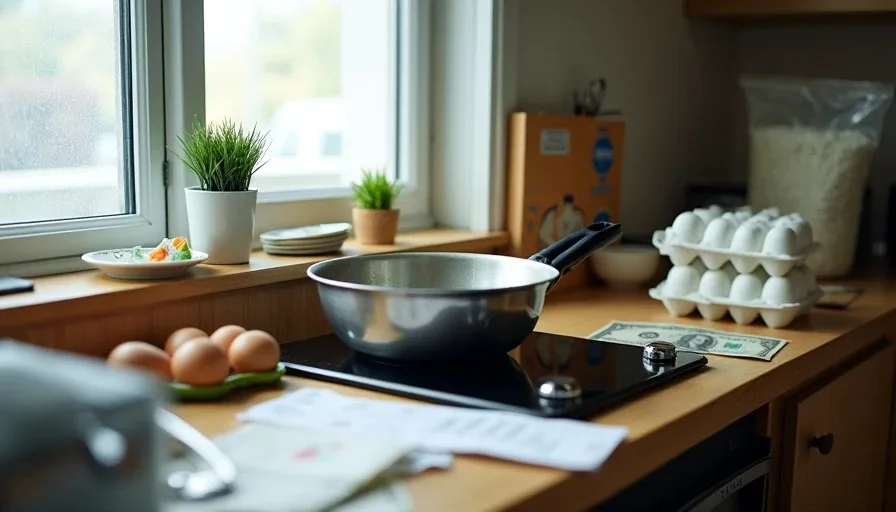
I’ve been exactly where you are. Hot plate. One pan. Thirty-five bucks that has to last seven days. No oven, no fancy knives, no “just go buy a cast iron” advice. The first week I tried this I burned rice, undercooked chicken, and still ran out of food on day five. Second week I figured out the system. This is that system.
You’re not aiming for Instagram plates. You’re aiming for full stomachs, enough protein to stop the 3 p.m. crash, and zero waste. Everything below works with one skillet or saucepan on a single-burner hot plate. Prices are based on current store-brand averages at places like Walmart, Aldi, and Kroger in mid-2026. Your local numbers will shift a little, but the structure holds.
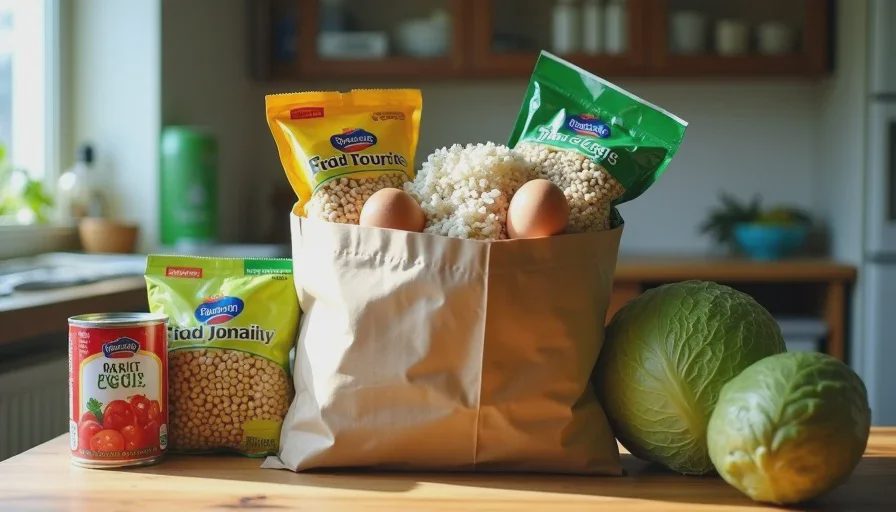
The $35 Shopping List That Actually Works
Walk in with a list and stick to it. Impulse buys kill this budget.
Proteins (about $12–14)
1 dozen large eggs: $2.50–3.50
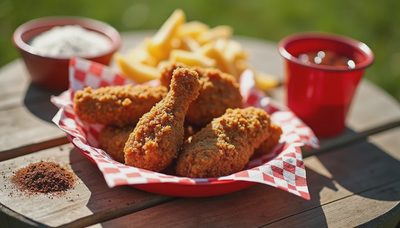
2–3 lb chicken leg quarters or bone-in thighs (watch for the $0.99–1.49/lb sales): $3–5
1 lb dried lentils or black beans: $1.40–1.80
2 cans tuna in water (store brand): $1.60–2.20
Carbs & fillers (about $8–9)
2 lb bag white or brown rice: $1.50–2.20
1 lb pasta (whatever is cheapest): $0.80–1.20
1 bag rolled oats (18–42 oz): $1.50–2.50
5 lb bag potatoes: $2–3
Vegetables & flavor (about $8–10)
2 bags frozen mixed vegetables or broccoli: $2–3
1 head green cabbage: $1.50–2.50
1–2 yellow onions + garlic bulb: $1.50–2
2 cans diced tomatoes: $1.20–1.80
2–3 bananas: $0.60–1
Extras that stretch everything
Peanut butter (small jar if you don’t have any): $2–2.50
Salt, pepper, any cheap spice packet you already own or can grab for under $1
Total lands between $32–35 if you shop the sales and stick to store brand. Leave the chicken breast and fancy olive oil on the shelf. Bone-in dark meat is cheaper per pound of actual food and stays juicier when you’re stuck with one pan.
If your store has leg quarters at $0.99/lb this week, buy the bigger pack. Freeze what you don’t cook in the first three days. Frozen chicken on a hot plate is fine as long as you thaw it in the fridge the night before or cook it thoroughly from partially frozen (add a few minutes and check the center).
How to Cook Everything in One Pan Without Ruining It
Hot plates run hotter and cooler than you expect. Medium is usually your friend. High scorches the bottom before the top is done.
Rice that doesn’t turn to glue
Rinse the rice until the water runs mostly clear. Use a 1:1.75 or 1:2 ratio depending on your pan (start with less water). Bring to a hard boil, drop to the lowest setting that still simmers, cover with a lid or foil if you have it, and leave it alone for 15–18 minutes. Then turn the heat off and let it sit another 5 minutes. Fluff with a fork. If it’s still wet, leave the lid off for a couple minutes. Mushy rice is almost always too much water or stirring.
Chicken that actually gets done
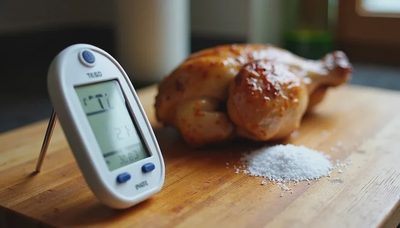
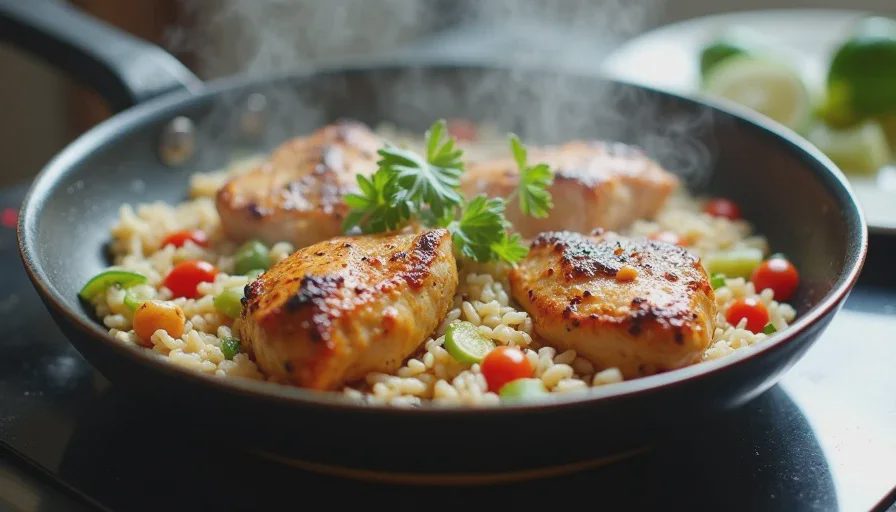
Pat the pieces dry. Season with salt and whatever spice you have. Start skin-side down if it has skin. Don’t crowd the pan. Cook until the juices run clear and the thickest part hits 165°F if you have a thermometer, or until the meat pulls easily from the bone. Pull it out, then use the same pan for rice or lentils so the browned bits become flavor instead of stuck-on mess.
Lentils or beans
Lentils need no soak. Cover with water by an inch or two, bring to a boil, then simmer until soft (20–30 minutes). Salt at the end. If you’re using dried black beans and forgot to soak, cook them longer and check often. Canned is fine when you’re starting out, but dried gives you more volume for the same money.
Cabbage and frozen veg
Cabbage lasts forever in the fridge. Shred it and throw it in near the end of cooking so it softens but still has some bite. Frozen vegetables go straight into the pan—no thawing needed. They release water, so drop the heat a little so everything doesn’t turn watery.
Food safety basics that matter on a hot plate: keep raw chicken separate until it hits the pan. Wash the pan between uses if you can. Leftovers go in the fridge within two hours. Reheat until steaming hot.
A Full Week of Meals That Fit the Gear and the Budget
This isn’t rigid. Swap days if something is on sale or you hate a certain combination. Aim for protein + carb + something green-ish at most meals.
Breakfast rotation
Oatmeal cooked with water or a splash of milk if you bought any, topped with half a banana and a spoon of peanut butter.
Two scrambled eggs with a handful of frozen veg and a little onion.
Leftover rice fried with an egg and whatever scraps are left.
Lunch and dinner ideas that share ingredients
Day 1–2: Seasoned chicken leg quarters or thighs with rice and frozen vegetables cooked in the same pan after the chicken comes out. Use the leftover chicken bones to make a quick broth if you want soup the next day—just simmer with onion scraps and cabbage.
Day 3: Lentil “chili.” Cook lentils with a can of diced tomatoes, onion, garlic, and any spice. Serve over rice or with a side of boiled potatoes. Stretch it with shredded cabbage.
Day 4: Tuna and pasta. Boil the pasta, drain most of the water, stir in the drained tuna, a spoon of oil or the last of the peanut butter for richness if you’re out of oil, and frozen peas or mixed veg. Season hard.
Day 5: Potato and egg hash. Dice potatoes small so they cook through on the hot plate. Fry until crisp-ish, push aside, scramble eggs in the same pan, mix, add cabbage or frozen veg.
Day 6–7: Whatever is left becomes fried rice, another lentil bowl, or cabbage stir-fry with the last bits of chicken or tuna. If you still have eggs, make a simple omelette stuffed with leftovers.
Snacks are bananas, a spoon of peanut butter, or cold leftover rice with salt. You’re not trying to hit gourmet. You’re trying to stay full enough that the $5 pizza delivery doesn’t start looking smart.
The Mistakes That Blow the Budget and How to Avoid Them
Buying boneless skinless chicken breast because it “looks healthier.” It costs more and dries out faster in a single pan. Dark meat wins here.
Skipping the frozen vegetables for fresh ones that go bad in three days. Frozen is picked at peak and often cheaper per usable ounce.
Cooking a giant batch of rice on day one and letting it sit out. Cook what you’ll eat in two days, or freeze portions. Food poisoning is expensive.
Forgetting that the hot plate needs recovery time. If you turn it off between steps, give it a minute to come back up. Rushing leads to undercooked centers and scorched bottoms.
Assuming you need a rice cooker or Instant Pot. You don’t. A lid (or foil and a plate) and patience do most of the work.
Price everything at the store before it hits the cart. If chicken is $2.49/lb that week, buy less and lean harder on eggs and lentils. The list is a framework, not a prison.
This setup gets easier after the first week. You’ll learn how your particular hot plate behaves, which store has the consistent $0.99 chicken, and how much rice actually fills you up. The goal isn’t perfection. It’s enough food that you stop thinking about food every hour.
Drop your actual store prices or the one thing that always goes wrong in the comments. Someone here has already burned the same meal and figured out the fix.