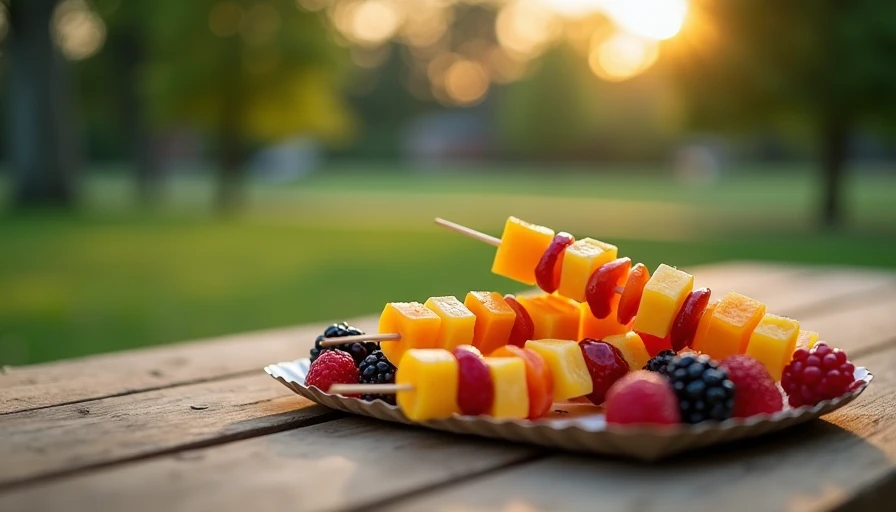
Tanghulu is fruit covered in a thin, glassy shell of cooked sugar. It looks like a complicated fair snack, but you can make it in a small apartment kitchen with strawberries, grapes, or apple pieces and about $4 worth of groceries. The first batch can be a little messy. Mine stuck to the parchment, then my second batch turned into soft syrup because I rushed the cooling step. That is normal. You are learning sugar, not failing a personality test.
What Tanghulu costs and what you need
For a small batch serving two or three people, I would buy one pound of seedless grapes for about $2.50 at Kroger, a cup of strawberries for roughly $2, and use sugar and water from the pantry. You do not need every fruit at once. Grapes are the cheapest and easiest place to start because they are firm, small, and dry quickly after washing. The total is around $4.50 if you use only grapes, or about $6.50 for a mixed tray.
You need 2 cups of granulated sugar, 1/2 cup of water, 2 cups of fruit, wooden skewers or sturdy toothpicks, a saucepan, and parchment paper. A candy thermometer helps, but it is not required. If you have one, aim for the hard-crack stage, about 300 to 310 degrees Fahrenheit. Without one, you can test the syrup in ice water. A drop should harden immediately and snap instead of bending.
Wash the fruit well, then dry it completely. This is the part people skip, and it is usually why Tanghulu refuses to set. Water on the fruit thins the hot sugar and creates a sticky coating instead of a crisp shell.
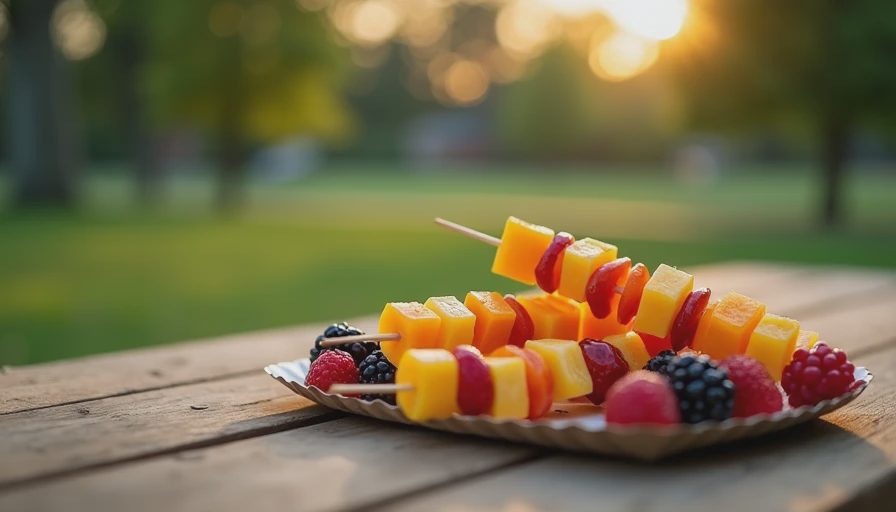
How to make Tanghulu without burning the sugar
Thread three to five grapes on each skewer, leaving enough wood at the bottom to hold comfortably. Set the skewers on a plate while you cook. Strawberries can be left whole if they are small; larger berries should be cut in half only if you can dry the cut side thoroughly.
Put the sugar and water in a clean saucepan over medium heat. Stir only until the sugar dissolves. Once the mixture starts boiling, stop stirring. Continued stirring can throw sugar crystals onto the sides of the pan, which gives you grainy candy. Let the syrup bubble until it reaches the hard-crack stage, usually 8 to 12 minutes depending on the pan and burner.
Tilt the pan carefully and dip each fruit skewer, turning it once to coat. You want a thin layer, not a thick glob. Let extra syrup drip back into the pan for a few seconds, then place the skewer on parchment. The coating should harden within one or two minutes. Tanghulu is ready when the outside looks clear and makes a light crack when tapped.
Hot sugar causes serious burns, so keep children and pets away from the stove and do not taste syrup from the spoon. Do not pour leftover candy into the sink. Let it cool in the pan, then soak the pan in hot water until the sugar dissolves. I once tried scraping it out with a fork and bent the fork instead. Water is cheaper and works better.
What went wrong with my first batch
The most common Tanghulu problem is a coating that stays sticky. Usually, the fruit was damp, the syrup did not get hot enough, or the weather was humid. Move the finished skewers to a cool, dry room and give them another few minutes. If they remain tacky, the syrup probably stopped before hard-crack temperature. You cannot reliably fix that batch by waiting all afternoon; use it as a sweet fruit topping over yogurt or oatmeal.
If the sugar turns amber, the pan got too hot or the syrup cooked too long. A pale straw color is acceptable, but dark brown candy tastes bitter. Remove the pan from the burner as soon as the syrup reaches the right stage because residual heat keeps cooking it.
If the shell cracks off immediately, the fruit may have been too cold or the layer was too thick. Let refrigerated fruit sit for about 10 minutes, dry it again, and dip more quickly. Tanghulu should have a delicate shell that breaks cleanly, not a jawbreaker attached to a grape.
Cheap fruit choices and flavor ideas
Grapes give the best budget result, especially when a grocery store has a two-pound sale bag. Strawberries look festive but cost more and release more moisture, so use them soon after coating. Mandarin orange segments can work if the outside membrane is dry, although they are more fragile. Pineapple chunks are another option, but blot them carefully with paper towels before skewering.
You can add flavor without buying specialty ingredients. A tiny strip of lemon zest in the syrup gives a fresh smell, while a pinch of cinnamon works with apple pieces. Do not add juice to the sugar mixture; extra liquid changes the cooking process and can keep the shell from setting. If you want color, use a drop of food coloring after the syrup has finished cooking and remove the pan from the heat first.
At my prices, a grape batch makes about eight skewers for roughly $3.25, or about 40 cents each. A strawberry-and-grape batch costs closer to $6 and serves three people as a snack. Price it out, then tell me it doesn't work.

Serving, storing, and cleaning up
Tanghulu is best eaten soon after the coating hardens. The longer it sits, the more moisture it pulls from the air and the fruit. Store finished skewers uncovered or very loosely covered at room temperature for a few hours. Do not put them in the refrigerator unless you accept a softer shell, because condensation can turn the crisp coating sticky.
Make only what you expect to eat that day. The fruit itself can be washed and dried several hours ahead, but coated skewers are not a good make-ahead dessert. Keep them away from a hot oven, sunny window, or steamy dishwasher. If the candy sticks to parchment, wait until it is fully cool, then lift the fruit slowly. A thin film of oil on the parchment can help, but too much oil makes the bottom slippery.
For a first attempt, use grapes, one saucepan, and half a recipe. That keeps the cost near $2 and gives you enough practice to learn how the syrup behaves. Once you get a clean snap, try strawberries or mixed fruit. Tanghulu is not a restaurant trick; it is boiled sugar, dry fruit, and a little patience. Start small, protect your hands, and do not let one sticky batch convince you that you cannot cook.