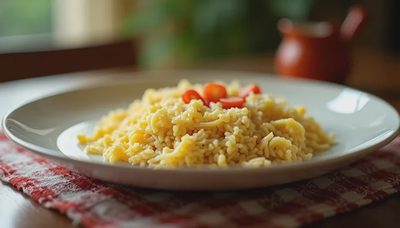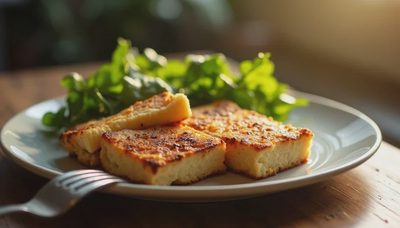
St. Patrick's Day can be cheap, filling, and genuinely fun without buying green everything or spending $80 on one dinner. If you have potatoes, cabbage, onions, and a little ground beef, you can make a solid meal for two to four people. I have cooked enough broke holiday meals to know the difference between festive and expensive-for-no-reason. This is the affordable version.
The goal is not to recreate a restaurant plate with twelve ingredients. It is to make food people will actually eat, using groceries that can work again tomorrow. For St. Patrick's Day, that usually means potatoes, cabbage, carrots, eggs, oats, and whatever meat is on sale. Price it out, then tell me it doesn't work.
The cheapest St. Patrick's Day grocery list
At my Columbus-area Kroger, a practical shopping list might look like this: a five-pound bag of russet potatoes for about $4, one small green cabbage for $2, yellow onions for $1.50, carrots for $1.25, a dozen eggs for $3, and a pound of ground beef for roughly $6 to $7. Prices move around, but the important part is that nearly every item has a use beyond one holiday meal.
That list can make shepherd's pie, skillet hash, roasted vegetables, colcannon-style mashed potatoes, breakfast eggs, and soup. If beef is too expensive, use lentils, canned beans, or half as much meat with extra vegetables. Nobody at the table needs a meat-heavy plate to understand the theme.
For color, skip specialty products unless you genuinely want them. Green food coloring is usually under $2, but spinach, peas, parsley, or a few green onions can add color while becoming part of the meal. A bottle of neon green sprinkles is not a grocery strategy.

A filling potato and cabbage skillet
This is my first choice for a low-cost St. Patrick's Day dinner because it uses one pan and forgives mistakes. Dice four medium potatoes into pieces no larger than a grape. Put them in a skillet with a half cup of water, cover, and cook over medium heat for eight to ten minutes. The water helps them soften before the outside burns.
Drain any remaining water, add one tablespoon of oil, half a sliced onion, and three cups of chopped cabbage. Cook uncovered until the potatoes brown and the cabbage gets tender, stirring every few minutes. Add salt, black pepper, and a little garlic powder. If you have leftover sausage, bacon, corned beef, or ham, stir in a small amount at the end. You do not need a full package.
Four servings cost about $1.25 to $2 each, depending on the protein. Without meat, the skillet is still substantial, especially with a fried egg on top. The first time I made this, I crowded the pan and got steamed potatoes instead of browned ones. It still tasted fine. Next time, I used a larger pan and cooked in two batches.
Cheap shepherd's pie without the fuss
Traditional shepherd's pie uses lamb, but ground beef is easier to find and usually cheaper in American grocery stores. Brown one pound of ground beef in a skillet, then drain excess grease if there is more than a spoonful. Add one chopped onion, two diced carrots, one cup of frozen peas, one cup of broth, and a tablespoon of tomato paste if you have it. Simmer until the carrots soften.
While that cooks, boil two pounds of peeled potatoes. Mash them with two tablespoons of butter or margarine and enough milk to make them spreadable. Put the meat mixture in an eight-inch baking dish, cover it with potatoes, and bake at 400 degrees Fahrenheit for about 20 minutes. A little shredded cheddar on top is optional, not required.
This makes four servings for roughly $2.25 to $3 each when beef is on sale. It also handles substitutions well. Use frozen mixed vegetables, leftover gravy, or beans. For St. Patrick's Day, the dish feels special because it is hot, layered, and shareable, not because every ingredient is traditional.
Colcannon-style potatoes for very little money
Colcannon is mashed potatoes mixed with cabbage or kale. You can make a plain, budget-friendly version with four potatoes, two cups of finely sliced cabbage, two tablespoons of butter, and a splash of milk. Boil the potatoes until a fork slides through. During the last five minutes, add the cabbage to the same pot. Drain everything well, then mash.
The key is not to add all the milk at once. Start with two tablespoons and add more only if the potatoes seem dry. Too much liquid turns them loose and gummy. Salt matters here, so taste before serving. A pinch of black pepper gives the dish enough personality without requiring fancy seasoning.
For St. Patrick's Day, serve these beside fried eggs, roasted chicken thighs, or the potato and cabbage skillet. A bowl costs about $4 to make and serves four as a side, or two very generously as a main meal. Leftovers reheat well in a skillet with a little oil, where the edges become crisp.
Soda bread when you do not bake much
You do not need yeast or special equipment for quick soda bread. Stir together three cups of flour, one teaspoon of baking soda, one teaspoon of salt, and about one and one-quarter cups of buttermilk. If you do not have buttermilk, use regular milk mixed with one tablespoon of vinegar and let it sit for five minutes.
Mix just until the flour disappears. Do not knead it like sandwich bread; that can make the loaf tough. Shape it into a round, place it on a greased baking sheet, cut a shallow cross on top, and bake at 400 degrees for 35 to 40 minutes. It should sound hollow when tapped.
A loaf costs around $1.50 to $3, depending on what is already in your pantry. My first loaf came out dense because I kept stirring after the dough had formed. It was still useful with soup. The fix was simple: fewer mixing motions and a lighter touch.
A simple plan for the whole day
If you are feeding one or two people, buy potatoes, cabbage, eggs, flour, and one protein. Make soda bread in the afternoon, cook the skillet for dinner, and save two cups of potatoes for breakfast hash. That is a better use of money than buying separate appetizers, green desserts, and themed drinks.
For four people, double the skillet and make the shepherd's pie instead. Add a bagged salad only if it is on sale; cabbage gives you crunch for much less and lasts longer in the refrigerator. A basic St. Patrick's Day spread can come in near $20, especially if you already have oil, flour, salt, and butter.
If you want dessert, mix oats, flour, brown sugar, and butter into a crumb topping for baked apples. Add a few green sprinkles if children want the visual joke, but do not buy an entire specialty dessert for one dinner. St. Patrick's Day is an excuse to cook something cozy, not a requirement to purchase a themed product.
The best St. Patrick's Day meal is the one that leaves you fed and still able to pay for next week's groceries. Start with potatoes, use one pan when possible, and let leftovers do some of the work. You do not need perfect technique or expensive meat. You need a short list, enough seasoning, and a willingness to eat the same successful meal twice. That is not boring. That is how a grocery budget survives.