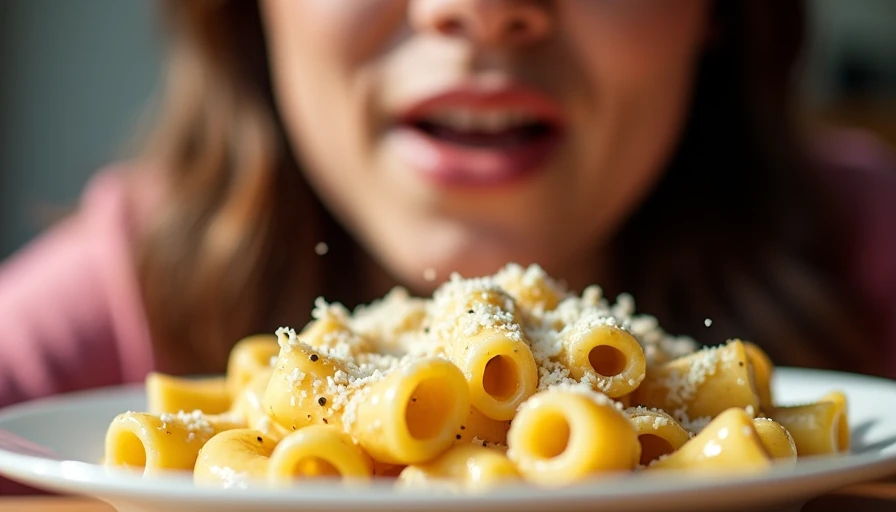
Cacio e pepe is one of the best emergency dinners I know. You need pasta, black pepper, hard cheese, salt, and water. That is the whole shopping list. It is fast enough for a weeknight, cheap enough for a rough grocery week, and satisfying enough that nobody at my table asks where the chicken is. The trick is not fancy equipment. The trick is learning how to make the cheese turn into a sauce instead of a pile of rubbery strings.
For two generous servings, I usually spend about $2.75 when I shop at Kroger: around 60 cents for store-brand spaghetti, $1.60 worth of grated Pecorino Romano, and roughly 55 cents for pepper and pantry basics. Parmesan works too, especially when it is on sale, though Pecorino has a sharper, saltier flavor. Price it out, then tell me it doesn't work.
What you need for Cacio e pepe
Use 8 ounces of spaghetti, bucatini, or another long pasta. Spaghetti is usually the cheapest, and it behaves well while you learn. You need about 1 cup of finely grated Pecorino Romano, but you probably will not use every bit. Buy a wedge and grate it yourself if the price difference is reasonable; pre-shredded cheese often contains anti-caking powder that makes the sauce less smooth. That said, I have made this with a supermarket tub of grated cheese and survived. We are cooking dinner, not taking an exam.
You also need 1 to 1 1/2 teaspoons of freshly ground black pepper. Whole peppercorns ground in a basic spice grinder taste brighter, but a regular pepper shaker is acceptable. Do not buy a special pepper mill for this recipe. Add salt to the pasta water, but use less than you would for plain pasta because Pecorino is already salty. The water should taste seasoned, not like the ocean.
If you are feeding four, use 1 pound of pasta and about 1 1/2 cups of cheese. Keep some cheese back for serving. A small knob of butter is not traditional, but a teaspoon can rescue a sauce that refuses to come together. I would rather eat a slightly nontraditional dinner than throw away eight ounces of pasta.
The simple method, step by step
Bring a pot of water to a boil and salt it. Use less water than you might expect, around 6 cups for 8 ounces of pasta. The pasta releases starch into that water, and the concentrated liquid helps create the creamy texture. Cook the pasta until it is almost done, following the lower end of the package time.
While the pasta cooks, put the pepper in a large skillet over medium heat. Toast it for 30 to 60 seconds, until it smells warm and spicy. Add about 1/2 cup of pasta water to the skillet and let it bubble gently. This wakes up the pepper without requiring oil. Do not let the pan boil dry.
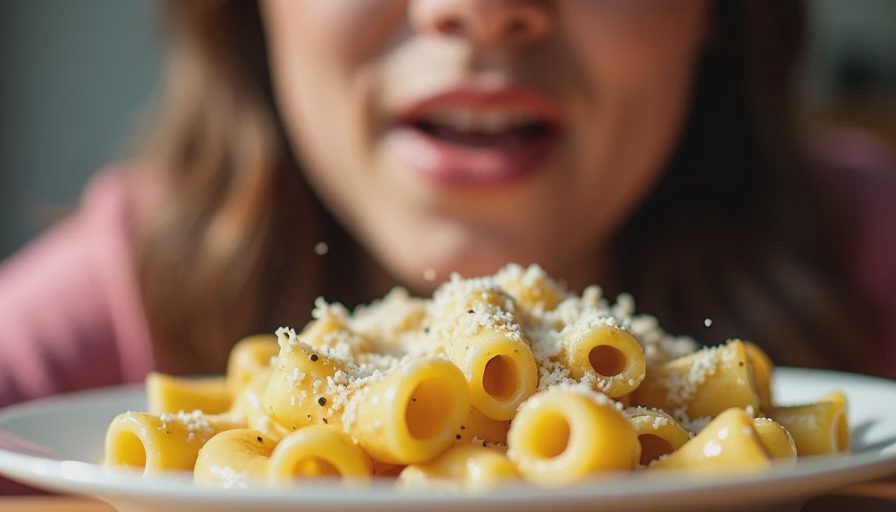
Before draining, scoop out at least 1 1/2 cups of pasta water. Drain the pasta, then add it to the skillet with the pepper water. Toss for a minute. Turn the heat off and wait about 30 seconds. Add the grated cheese a handful at a time while tossing constantly. Add small splashes of reserved water until the sauce coats the noodles.
That pause before adding cheese matters. If the skillet is screaming hot, the cheese can seize into clumps. This is the part of Cacio e pepe that frustrated me most the first three times. I thought more heat would make everything melt faster. It made a cheese snowball instead. Lower heat and patience fixed it.
Why the sauce turns creamy
There is no cream in classic Cacio e pepe. The smooth sauce comes from a temporary mixture of cheese, starchy pasta water, and fat from the cheese. You do not need to understand the chemistry to cook it, but you do need to respect the order. Hot pasta meets pepper water first. Cheese comes after the heat is reduced. Water gets added gradually, not dumped in all at once.
If the sauce looks dry, add a tablespoon of pasta water and toss. Repeat until the noodles shine. If it looks watery, keep tossing for 20 to 30 seconds; the starch may thicken it. A wide skillet helps because the pasta has room to move. If you only have a pot, stir vigorously with tongs and do not panic.
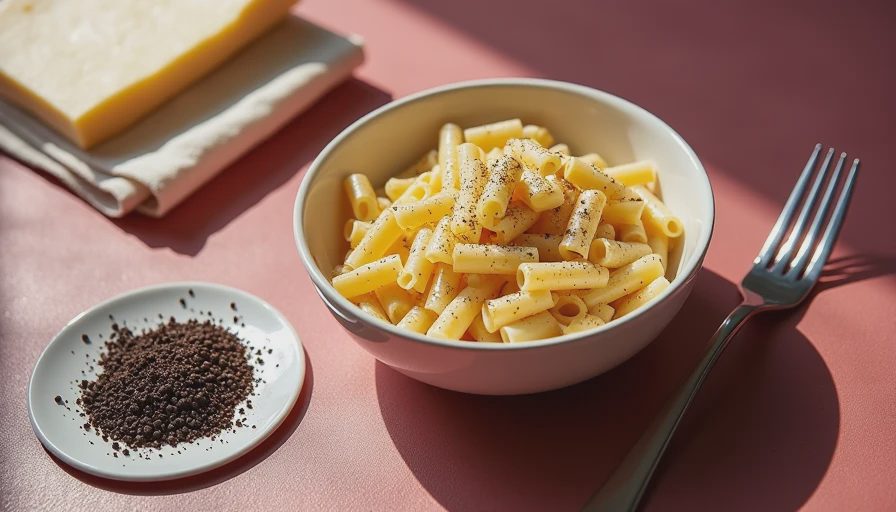
Cacio e pepe should cling to the pasta, not sit like soup at the bottom of the bowl. It should taste peppery, salty, and rich without being heavy. If the cheese flavor is too strong, add a little more pasta. If it is bland, add pepper before reaching for more salt.
Common mistakes and easy fixes
The biggest mistake is adding cold cheese directly to a ripping-hot pan. Grate the cheese finely and let it sit at room temperature while the pasta cooks. The second mistake is forgetting to reserve water before draining. I have done this while answering a text, and the dry noodles were not magically improved by tap water afterward. Keep a mug beside the colander if you are distractible like me.
Another problem is using too much water in the pot. A huge pot full of water produces weaker starch, which makes the sauce harder to build. You can still make dinner that way, but reserve more water and expect to toss longer. Also avoid rinsing the pasta. The starch on the noodles is useful here.
If your cheese clumps, remove the skillet from the burner and add a few tablespoons of warm pasta water. Toss firmly. Some clumps will disappear. If they do not, call it rustic, add a fried egg, and remember what happened next time. A failed sauce is not a failed cook; it is information you got for the price of some noodles.
Budget swaps and serving ideas
Pecorino Romano is the classic choice, but Parmesan is often easier to find. A blend of the two is excellent. Avoid using pre-shredded yellow cheese as the main ingredient because it melts differently and can become greasy. If you have only a small amount of hard cheese, use less pasta and make a smaller serving rather than stretching it with milk.
Cacio e pepe is filling by itself, but a cheap vegetable makes the plate feel more complete. Frozen peas can go into the pasta water during the last two minutes. Chopped kale can wilt in the skillet. A side of frozen broccoli costs little when bought in a store-brand bag. These additions change the texture, but they also turn a pantry meal into dinner with something green.
For leftovers, refrigerate them in a covered container for up to three days. Reheat gently in a skillet with a splash of water. The sauce will not be quite as smooth as it was fresh, but it can still be good. I would not freeze it; the cheese sauce tends to separate and the pasta gets soft.
A reliable weeknight plan
Start heating the water, grate the cheese, and set out your serving bowls before the pasta goes in. While it cooks, toast the pepper and prepare a measuring cup for pasta water. Those small steps prevent the frantic drain-and-hope routine. When the pasta is ready, move quickly but calmly: reserve water, combine pasta and pepper, lower the heat, then add cheese gradually.
The entire process takes about 20 minutes, including boiling the water. At my usual prices, two servings land near $1.40 each, or less when I buy cheese on sale. That is not pretend-budget cooking. It is a real dinner made from ingredients that keep for weeks. Cacio e pepe rewards attention, but it does not demand perfection. Make it once, notice what went wrong, adjust the heat, and try again. Your second bowl will probably be better than your first, and both count as feeding yourself.