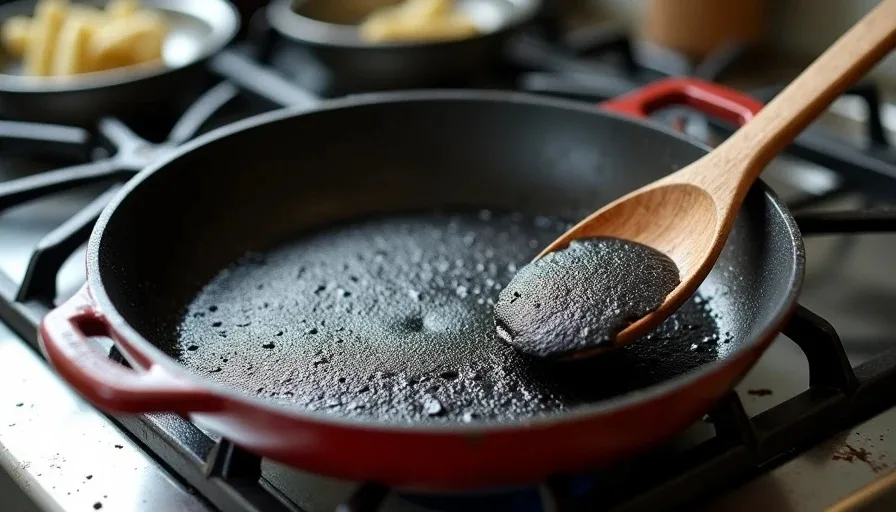
I was making a simple gravy. Equal parts flour and fat, cook it until it smells nutty and turns the color I want. I’ve done it a hundred times. This time I turned away to chop an onion, answered a text, and came back to a pan full of something that looked and smelled like burned toast mixed with regret. Dark brown had gone straight to black. The mixture had seized into a thick, bitter puck that stuck to the bottom like it was welded there.
That was the end of that roux.
Can You Actually Save a Burned Roux?
Short answer for a true hockey puck: no.
Once the flour and fat have gone past deep brown into black and the smell turns acrid, the bitter compounds are through the whole mixture. Adding liquid just spreads the bitterness. Some people try to scrape off the top layer or whisk in more flour and fat. It almost never works. You can taste the burn in every bite of the finished sauce.

If it’s only a little too dark and still smells mostly nutty instead of burned, you can sometimes proceed and compensate with a bit more seasoning or a splash of something sweet or acidic later. But when it’s clearly gone, the honest move is to start over.
I scraped the pan, washed it, and made a new roux in about eight minutes. The meal was late, but it was edible. Throwing good broth or milk on top of a burned base would have wasted more than just the flour and oil.
How the Burn Usually Happens (So You Can Avoid It Next Time)
Roux goes from perfect to ruined fast because the pan keeps cooking even after you think you’ve turned the heat down. The most common causes:
Heat left on medium-high instead of medium or medium-low once the mixture starts browning
Walking away for “just a minute”
Using a thin pan that has hot spots
Not stirring enough once the color starts changing
The fix is boring and effective: stay there with a whisk or wooden spoon, keep the heat moderate, and accept that a dark roux takes more attention than a blond one. If you need a very dark roux (for gumbo or certain stews), build it slowly and have everything else ready so you’re not tempted to multitask at the critical moment.
Other Kitchen Fails People Have Actually Recovered From (or Not)
Burned roux is classic, but it’s not the only way to turn a promising dinner into a problem. A few common ones and what tends to work:
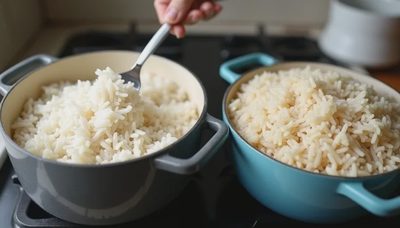
Rice turned to complete mush
Too much water or too much stirring. You can’t un-mush it. Turn it into rice pudding, fry it with an egg and vegetables the next day, or accept the porridge and season it well. Next time measure the water and leave it alone.
Chicken still raw in the middle while the outside is overcooked
Usually from high heat and impatience. Slice it, check, and if it’s under, finish the pieces in a covered pan with a splash of liquid or pop them in a low oven. A thermometer prevents most of this.
Garlic burned and turned bitter in the oil
Same problem as the roux. Burned garlic ruins the whole batch of oil. Start over with fresh oil and lower heat. There is no good way to remove that bitterness.
Soup or stew that’s way too salty
Add more unsalted liquid and bulk (potatoes, rice, beans, or more vegetables) to dilute it. A little acid or sweetness can help balance, but dilution is the main tool. In extreme cases you start a new pot and combine.

Sauce broke or turned greasy
Sometimes a vigorous whisk and a splash of cold water or pasta water brings it back. Sometimes it doesn’t and you serve it anyway or turn the dish into something else.
Forgot the oven was on and the dish dried out or burned on top
Cover with foil, add a little liquid if possible, and drop the temperature. If the edges are pure charcoal, cut them off and serve the middle.
Some meals get salvaged into a different (still decent) dinner. Some get tossed and you eat scrambled eggs or toast instead. Both outcomes are normal. The only real failure is pretending a bitter, burned, or unsafe dish is fine when it isn’t.
What I Do Differently Now
I treat roux like it needs adult supervision. Medium heat, constant attention once color appears, and I don’t start it until the other ingredients are prepped and ready to go. I also keep a second pan handy so if I do burn it I can restart without a long delay.
Most of the kitchen disasters that still bother me years later were the ones I tried to force into being okay instead of cutting my losses. The ones I restarted or turned into something else barely register.
Your turn. What’s the worst thing you’ve burned, curdled, undercooked, or otherwise ruined? Did you save it, turn it into a different meal, or just order pizza? The only rule is honesty — the spectacular failures are usually more useful than the perfect saves.