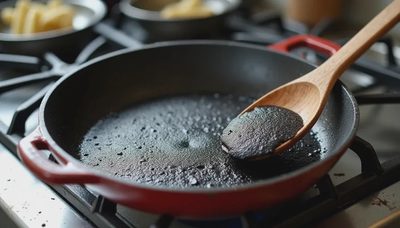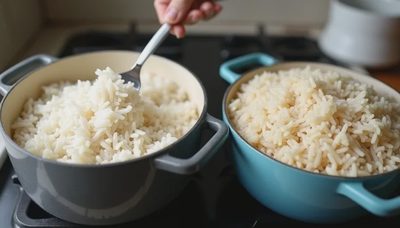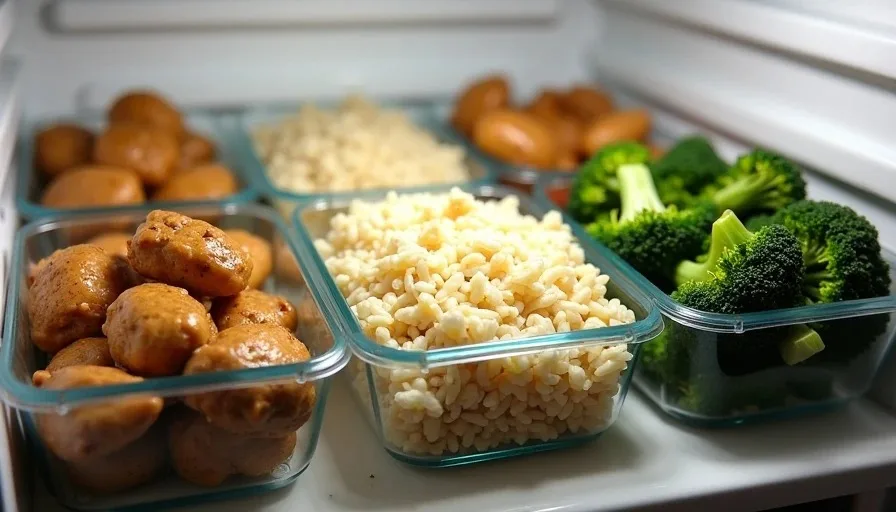
Most meal-prep content sells the same fantasy: cook once on Sunday, eat perfect, identical, healthy meals all week with zero effort. What a lot of people actually end up with is dry chicken, hard rice, limp broccoli, and a growing sense of dread every time they open the fridge.
I’m not against cooking ahead. I’m against the version that treats food like fuel pellets and then acts surprised when nobody wants to eat it by Thursday.
Why So Many Meal-Prep Meals Taste Like Punishment
Everything is designed to be eaten hot, then forced to be eaten cold or reheated
Chicken breast cooked to “meal prep perfect” is already on the edge of dry. After three days in the fridge and a microwave cycle it becomes cardboard. Rice dries out or turns gummy. Roasted vegetables go from caramelized to sad and watery.
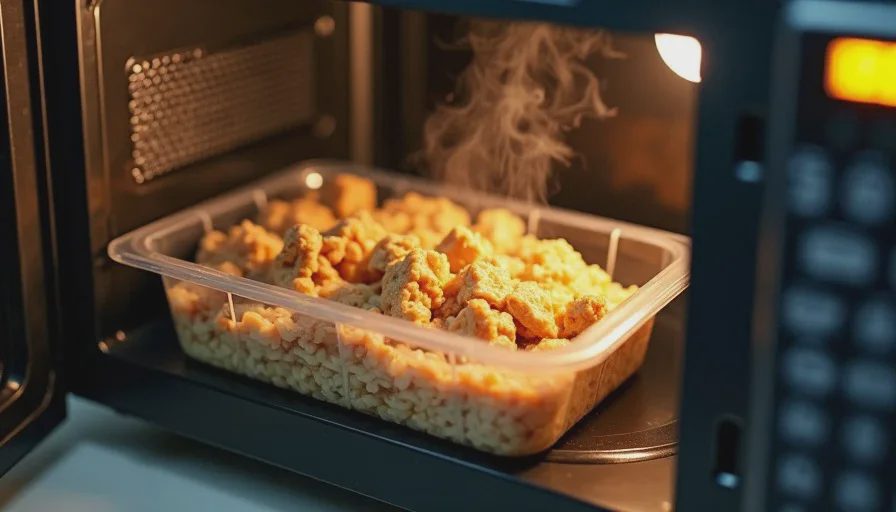
The same combination repeated five times
Even a good meal gets old when it’s identical from Monday to Friday. Flavor fatigue is real. Your brain notices.
No sauce or fat strategy
A lot of prep recipes keep sauces separate or skip them to stay “clean.” Then the food has nothing to keep it moist or interesting after reheating.
Containers trap steam and then the food sits in it
Things that should stay crisp get soggy. Things that need moisture dry out. The container becomes part of the problem.
The result is a fridge full of food you have to talk yourself into eating. That defeats the whole point.
What Actually Works Better
I still cook ahead. I just stopped doing the classic “five identical containers” method.
Component prep instead of full meals
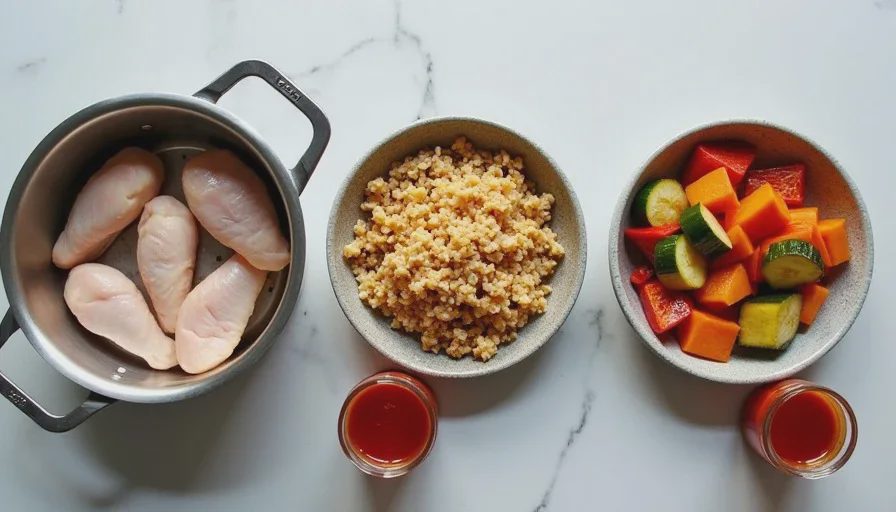
Cook a batch of chicken thighs or ground meat, a pot of rice or potatoes, a big tray of vegetables, and maybe a simple sauce or two. Keep them separate. Each day you assemble something that can be a little different — different ratios, different sauce, something fresh added if you have it. It takes almost the same time on Sunday and produces food that still feels like a choice on Wednesday.
Choose foods that reheat or taste fine cold
Chicken thighs beat chicken breast for this. Roasted cabbage, carrots, and broccoli hold up better than delicate greens. Rice that is slightly undercooked before storage finishes better when reheated with a splash of water. Lentils, beans, and hearty grain salads often taste good cold or at room temperature.
Sauce and fat are not the enemy
A little oil, butter, soy sauce, salsa, yogurt sauce, or vinaigrette kept on the side (or stirred in after reheating) fixes more meal-prep sadness than any new spice blend.
Cook less than you think you need
Four days of prepped food is more realistic than seven for most people. The last two days usually get skipped or thrown out anyway. Cook for the days you’ll actually eat it.
Accept that some things should be made fresh
Eggs, quick vegetable sautés, and anything that relies on crisp texture are often better done in the moment. Prep the parts that keep, make the fragile parts when you need them.
When Classic Meal Prep Still Makes Sense
It works fine if:
You genuinely like the food cold or reheated
You’re feeding people who don’t mind repetition
Your schedule is so packed that any friction means you skip eating
You’re prepping freezer meals that get fully reheated from frozen rather than fridge leftovers
For a lot of us, though, the rigid Sunday container method creates more food waste and resentment than it saves in time.
I’d rather spend 60–75 minutes cooking components that stay flexible than 90 minutes assembling five identical trays that I start avoiding by midweek. The first way still saves time and money. It just doesn’t pretend that leftover chicken and broccoli is exciting on day four.
Agree or fight me. Do you actually enjoy your meal-prep leftovers by Thursday, or do you end up ordering something else? What’s the one prepped meal that still tastes good to you after a few days?