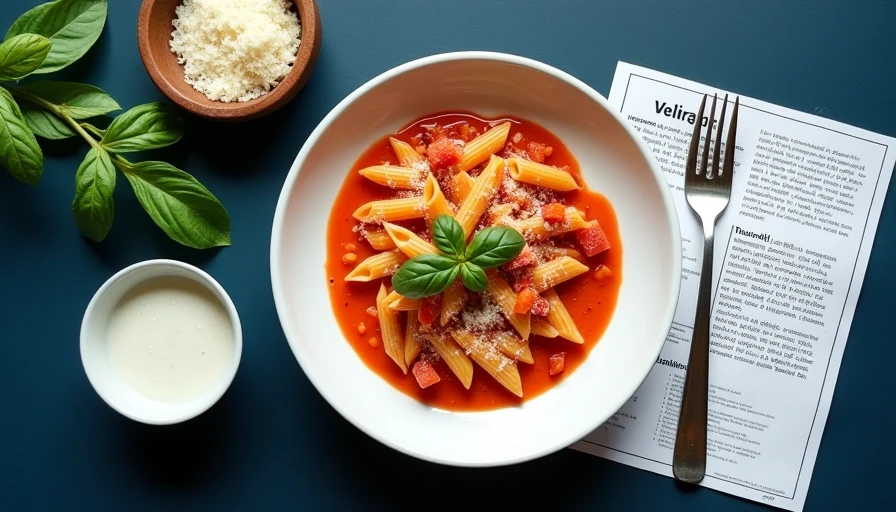
Penne alla vodka sounds like restaurant food, but it is actually one of the easiest cheap dinners I make. The sauce uses canned tomatoes, a little cream, pasta water, and a small amount of vodka to turn ordinary pantry ingredients into something smooth and rich. You do not need a fancy pan, imported cheese, or cooking experience beyond boiling pasta. This version feeds four for about $1.70 per serving when I shop regular sale prices at Kroger.
Why penne alla vodka works for a tight grocery budget
The smart part of penne alla vodka is that every ingredient has a job. Canned tomatoes provide the main flavor, tomato paste makes the sauce taste deeper, and cream softens the sharp edge of the tomatoes. Vodka helps pull certain flavors together, but you are not pouring in half a bottle. Two or three tablespoons is enough for a full pound of pasta.
For my most recent grocery run, I paid $1.29 for a 28-ounce can of crushed tomatoes, $1.25 for a 16-ounce box of store-brand penne, $1.79 for a small carton of heavy cream, and about 60 cents worth of onion, garlic, butter, and tomato paste. The vodka was already in the cabinet, but a miniature bottle usually costs around $1.50 to $2.50. That puts the full pot near $6.75, or less than $2 per serving. Penne alla vodka is a genuine budget win, not a consolation prize.
You can also make this with a half carton of cream and save the rest for scrambled eggs, mashed potatoes, or coffee. If you do not keep vodka at home, buy the smallest bottle available rather than a full-size bottle for one recipe. Price it out, then tell me it does not work.
Ingredients and simple substitutions
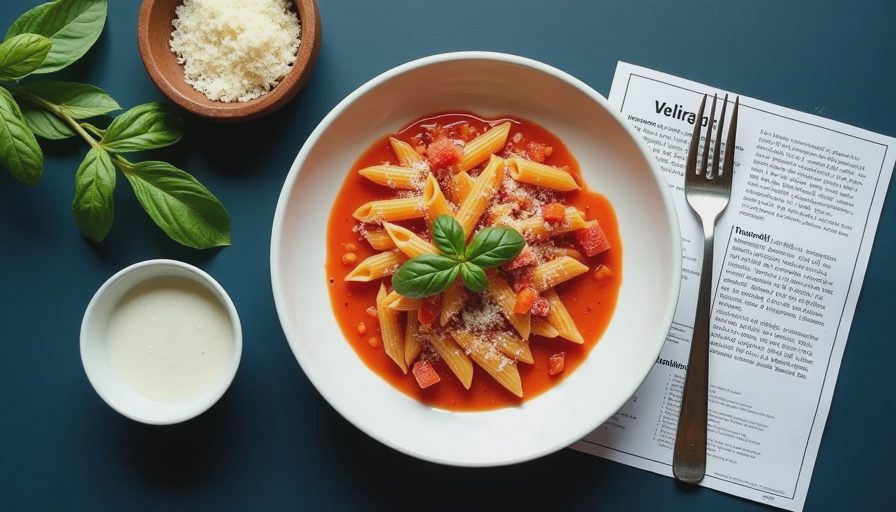
For four servings of penne alla vodka, use 12 ounces of penne, one tablespoon of butter or olive oil, half a small yellow onion finely chopped, two garlic cloves, one tablespoon of tomato paste, one 28-ounce can of crushed tomatoes, two tablespoons of vodka, one-half cup of heavy cream, one-half teaspoon of salt to start, black pepper, and one-quarter cup of grated Parmesan if you have it.
The pasta shape is flexible. Rigatoni, ziti, shells, or even spaghetti will work, although ridged penne holds sauce especially well. No onion? Use one-half teaspoon of onion powder. No fresh garlic? Use one-eighth teaspoon of garlic powder, added with the tomatoes instead of frying it. Evaporated milk can replace heavy cream, but add it over low heat and do not boil the sauce hard. For a cheaper finish, skip Parmesan and add another splash of pasta water.
Penne alla vodka does not require top-shelf vodka. The alcohol cooks down while the sauce simmers, so an inexpensive plain vodka is fine. Do not use flavored vodka unless you want a very unusual dinner. If you cannot use alcohol, leave it out and add one teaspoon of lemon juice at the end. The flavor will be slightly different, but the sauce will still be good.
How to cook penne alla vodka without scrambling the cream
Bring a large pot of salted water to a boil before starting the sauce. Cook the penne until it is just tender, following the lower time on the box. Before draining, scoop out at least one cup of pasta water. This cloudy water contains starch, and it is the easiest way to loosen a thick sauce without making it watery.
While the pasta cooks, melt the butter in a large skillet over medium heat. Add the onion and cook for four to five minutes, until soft. Add the garlic and tomato paste, stirring for about one minute. The paste should darken slightly, but if it sticks or turns brown-black, lower the heat. Burnt garlic will make the whole pot taste bitter, and there is no heroic rescue for it.
Add the crushed tomatoes and vodka. Stir, then simmer for eight to ten minutes. The sauce should bubble gently, not spit across your stove. Turn the heat to low before pouring in the cream. Stir until the color changes from bright red to a soft orange. Add the drained pasta and toss. Use pasta water one tablespoon at a time until the sauce coats the noodles instead of sitting in a puddle underneath them.
Penne alla vodka is ready when the pasta looks glossy and the sauce clings to the ridges. Taste before adding more salt because Parmesan, if used, will bring extra saltiness. Finish with black pepper and cheese. Let the skillet sit for two minutes before serving so the sauce can settle.
What can go wrong, and how to fix it
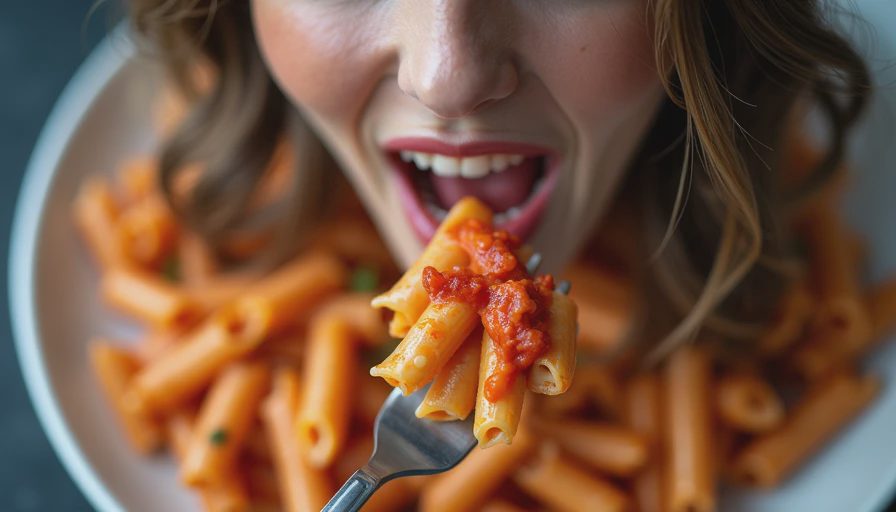
The most common problem is a thin sauce. That usually happens because the tomatoes were watery or too much pasta water was added at once. Keep the skillet uncovered and simmer for a few extra minutes. If the pasta has already gone in, stir frequently so it does not stick while the liquid reduces.
A grainy sauce usually means the cream got too hot. Remove the pan from the burner, add a small splash of pasta water, and stir steadily. It might not become perfectly smooth again, but it can still taste fine. Next time, lower the heat before adding cream and avoid boiling after that point.
If the sauce tastes sour, add one-half teaspoon of sugar or an extra spoonful of cream. If it tastes flat, it probably needs salt, black pepper, or Parmesan rather than more vodka. If the sauce is too rich, lemon juice can brighten it, but add only a few drops at a time. I once added a whole tablespoon and turned dinner into tomato lemonade. We ate it anyway, but I would not repeat the experiment.
Price, portions, and leftovers
This recipe makes four moderate servings or three very generous bowls. At my Kroger prices, pasta costs $1.25, tomatoes $1.29, cream $1.79, and the small amounts of onion, garlic, butter, paste, and cheese add about $2.40. Counting two tablespoons of inexpensive vodka at roughly 40 cents, the total is about $7.13, or $1.78 per serving. Prices change, but the math stays useful.
Penne alla vodka keeps in the refrigerator for up to three days in a covered container. Reheat it in a skillet or microwave with one tablespoon of water or milk per serving. The sauce thickens in the fridge, so do not judge leftovers straight from the container. This meal is also easy to stretch with frozen peas, chopped spinach, cooked mushrooms, or a little leftover chicken. Add vegetables near the end so they do not disappear into the sauce.
The beginner-friendly takeaway
Penne alla vodka is a good first pasta sauce because it teaches several useful habits without demanding perfection: save pasta water, cook tomato paste briefly, control heat when adding dairy, and taste before seasoning. Those skills transfer to soup, chili, macaroni and cheese, and plenty of other low-cost meals.
Make the recipe once exactly as written, then adjust it around what is already in your kitchen. Use less cream if money is tight, skip the cheese, or divide the cooked pasta into four containers for work lunches. You are not failing because your sauce is not identical to a restaurant version. You are feeding people with a skillet and a grocery budget, which is the whole point. Penne alla vodka works because it is forgiving, filling, and affordable enough to make again.