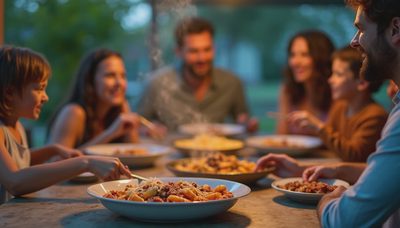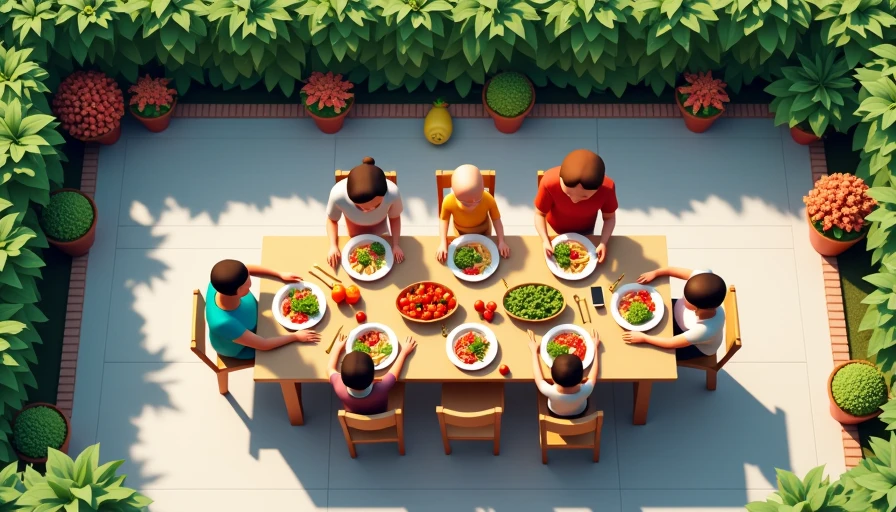
Pasta primavera is one of those dinners that sounds fancier than it is. At its heart, it is pasta tossed with vegetables, a little garlic, some cooking water, and enough cheese or butter to make everything feel connected. You do not need a special pan, expensive produce, or a perfect chopping technique. If you can boil noodles and stir a skillet, you can make it.
My basic version feeds four for about $8.50 at a Columbus Kroger using store-brand pasta, frozen broccoli, one zucchini, one bell pepper, a small onion, garlic, butter, and Parmesan. That comes to roughly $2.13 per serving, less if you already have oil, salt, and pepper. Pasta primavera is especially useful when the refrigerator has three lonely vegetables that do not seem to belong together. They belong here.
The grocery list and realistic cost
Here is the budget version I make most often:
- 12 ounces of spaghetti or penne: about $1.25
- One small onion: about $0.70
- Two cloves of garlic: about $0.20
- One zucchini: about $1.00
- One bell pepper: about $1.25
- Two cups frozen broccoli: about $1.50
- Two tablespoons butter or olive oil: about $0.35
- One-third cup grated Parmesan: about $1.75
- Salt, black pepper, and red pepper flakes: pantry staples
That list comes to around $8.00 to $8.50 depending on the week and the store. A half bag of baby carrots, a handful of frozen peas, or leftover green beans can replace the zucchini or pepper without changing the method. Do not buy every vegetable listed just because a recipe says so. The point of pasta primavera is using what you have.
For a cheaper meal, skip fresh broccoli and use a 12-ounce frozen mixed vegetable bag. At Kroger or Aldi, that can save close to a dollar. You can also use store-brand grated Parmesan instead of a wedge. I like the wedge better, but I am not going to pretend it makes a $4 difference in a week when rent is due. Price it out, then tell me it does not work.

How to make it without turning the vegetables to mush
Bring a large pot of salted water to a boil. Before adding the pasta, cut the onion, pepper, and zucchini into bite-size pieces. This is the part that takes the longest, and “bite-size” does not need to be identical. Smaller pieces cook faster, so keep the zucchini pieces a little larger than the onion.
Cook the pasta according to the package directions, but stop one minute before the suggested time. Scoop out at least one cup of pasta water before draining. That cloudy water is useful; it helps the butter, cheese, and vegetables make a sauce instead of sitting in separate oily puddles.
While the pasta cooks, warm a large skillet over medium heat. Add the butter or oil, then the onion and bell pepper. Cook for four minutes, stirring once or twice, until the onion starts to soften. Add the zucchini and cook for two more minutes. Add the frozen broccoli last. It only needs to heat through, and adding it early is how you get gray, tired vegetables.
Stir in the garlic for 30 seconds. Add the drained pasta, half a cup of pasta water, black pepper, and red pepper flakes if you like heat. Toss for one to two minutes. Turn off the heat, add the Parmesan, and toss again. If it looks dry, add another splash of pasta water. If it looks soupy, keep tossing for another minute.
Pasta primavera should taste fresh and savory, not like a bowl of noodles wearing a pile of steamed vegetables. The vegetables should still have some shape. You are not trying to cook them until they disappear.
What went wrong the first time I made it
My first attempt at pasta primavera was basically hot pasta, raw peppers, and a lake of olive oil. I used a small frying pan, crowded it with vegetables, and expected everything to cook evenly. It did not. The zucchini released water, the onions stayed crunchy, and the garlic burned before the noodles were ready.
The fix was not buying better ingredients. I used a wider skillet, cooked the vegetables in stages, and saved pasta water. That changed the whole dish. A wide pan gives vegetables room to touch the hot surface instead of steaming in a heap. Cooking firm vegetables first also prevents the common problem where the pepper is raw but the zucchini has collapsed.
If your pasta tastes bland, add salt before adding more cheese. Pasta water should taste lightly salty, because unsalted noodles make the finished meal taste flat. If the dish tastes heavy, add a squeeze of lemon or one teaspoon of vinegar. That small amount cuts through butter and wakes up frozen vegetables.

Cheap substitutions that make sense
Pasta primavera is flexible, but some swaps work better than others. Spaghetti, linguine, rotini, and penne are all fine. Short shapes hold small vegetables well, while long noodles make the dish feel a little more like a restaurant meal. Use what is already in your cabinet.
For protein, stir in one can of drained white beans, a chopped hard-boiled egg, or leftover rotisserie chicken. A 15-ounce can of beans usually adds about $1 and makes four servings more filling. If you have frozen shrimp, cook it separately and add it at the end; shrimp cooks quickly and becomes rubbery when forgotten in the skillet.
For dairy, Parmesan is the easiest choice, but a spoonful of cream cheese can make the sauce thicker. Shredded mozzarella works in a pinch, although it stretches more and can become stringy. Nutritional yeast gives a savory flavor if you avoid dairy, but it is not necessary for a good dinner.
Use frozen vegetables without apology. Frozen peas, broccoli, corn, and spinach are picked and frozen quickly, and they save chopping time. Add spinach during the final minute so it wilts without turning watery. For pasta primavera with mostly frozen vegetables, cook the vegetables just until hot, then let the sauce come together with the pasta water.
Leftovers, lunches, and the four-day question
Stored in a covered container, this keeps in the refrigerator for about three to four days. The pasta will absorb some sauce overnight, so reheat it with a tablespoon of water, broth, or milk. A microwave works: cover the container loosely and heat in 45-second intervals, stirring between rounds. On the stovetop, use low heat and add a splash of water before the pasta goes into the pan.
This is not the best freezer meal because cooked vegetables can become soft and the cheese sauce may separate. It is still a useful refrigerator dinner. I often make four servings on Sunday, pack two lunches, and add a fried egg to the last portion. That changes the texture enough that it does not feel like the exact same bowl three times.
Pasta primavera also makes a good “clean out the fridge” meal before grocery shopping. Chop around bruised spots, discard anything slimy or moldy, and use sturdy vegetables first. Carrots, cabbage, broccoli, and peppers hold up well. Delicate tomatoes should be added near the end so they warm without turning into sauce.
A simple plan for your first batch
Start with pasta, onion, one fresh vegetable, and one frozen vegetable. That is enough. Boil the noodles, save the water, cook the vegetables in stages, combine everything, and add cheese off the heat. Taste before serving. If it needs help, try salt first, then pepper, then lemon or red pepper flakes.
Pasta primavera is not a rigid recipe and does not need to look like the version in a glossy cookbook. It is a reliable formula for turning inexpensive groceries into dinner. A $2 bowl that uses the zucchini you were about to lose is a real win. Make it once as written, then change one ingredient next time. That is how you learn what works in your kitchen without wasting a whole week’s grocery money.