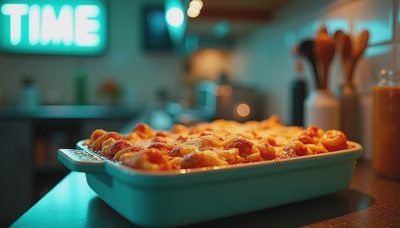
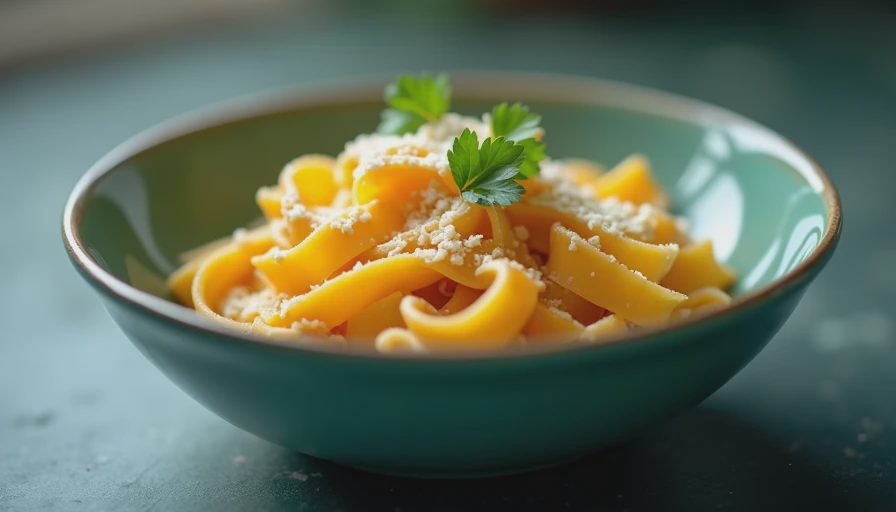
Fettuccine Alfredo sounds like restaurant food, but Fettuccine Alfredo at home is really noodles, butter, cheese, and a little pasta water. You do not need heavy cream, expensive imported cheese, or a kitchen full of equipment. This version makes four filling servings for about $1.60 each at my Columbus-area Kroger, using store-brand pasta and Parmesan. It is simple enough for a first dinner and forgiving enough to survive a distracted cook.
The important part is timing. The sauce comes together in the warm pan after the pasta cooks. If you boil the cream hard or dump cold cheese into a dry skillet, the sauce can turn greasy or clumpy. I have done both, usually while answering a text. The fix is not complicated: lower heat, save pasta water, and stir patiently.
What you need and what it costs
For four servings, buy one 12-ounce box of fettuccine, 4 tablespoons of butter, 1 cup of grated Parmesan, and 3/4 cup of heavy cream. At my Kroger, the store-brand pasta was $1.25, a four-stick box of butter worked out to about $1.75 for the amount used, Parmesan from a $4.99 tub cost about $2.25, and the cream added roughly $1.50. That puts the full pan near $6.75, or about $1.69 per serving. Prices move, but the math is still usually kinder than takeout.
You can make Fettuccine Alfredo with half-and-half instead of heavy cream, although the sauce will be thinner. Whole milk works in a pinch if you use less pasta water and add the cheese gradually. Avoid pre-shredded Parmesan when possible. It is convenient, but the coating on many bags can make the sauce grainy. A small wedge or tub of finely grated Parmesan is easier for a beginner than trying to shave large curls with a vegetable peeler.
You will also need salt for the pasta water, black pepper, and a large skillet or saucepan. Garlic is optional. I use one small minced clove when I have it, but it is not required for Fettuccine Alfredo to taste good.

How to make it without a clumpy sauce
Fill a large pot with water and salt it well. It should taste lightly salty, not like seawater. Bring it to a real boil, add the fettuccine, and stir during the first minute so the strands do not stick together. Cook according to the package directions, stopping when the noodles are tender but still have a little bite.
Before draining, scoop out at least 1 1/2 cups of pasta water. This is not a fancy chef trick; it is your insurance policy. The starchy water helps butter, cream, and cheese become a smooth sauce instead of separate puddles. Drain the pasta, but do not rinse it.
While the pasta cooks, melt the butter in a wide skillet over medium-low heat. Add garlic if using and cook for about 30 seconds. Pour in the cream and let it warm for two minutes. Do not let it boil aggressively. Add the drained pasta to the skillet and toss with tongs. Sprinkle in Parmesan a few tablespoons at a time, tossing after each addition.
Add pasta water a splash at a time until the sauce coats the noodles. You may use 1/4 cup, or you may need closer to 3/4 cup depending on your pan and cheese. Finish with black pepper and taste before adding more salt. Parmesan is already salty, and oversalting is much easier than fixing it.
Why Fettuccine Alfredo sometimes fails
If the sauce looks greasy, the pan is probably too hot or the butter and cream separated before the cheese went in. Move the skillet off the burner and toss in a tablespoon or two of warm pasta water. Keep stirring. The sauce often comes back together after a minute.
If the sauce is lumpy, the cheese went in too quickly, the cheese was too cold, or the skillet was overheated. Do not add more cheese to hide the problem. Add a small splash of pasta water and stir firmly. A whisk can help if the noodles are still in the pot, but tongs are safer once everything is combined.
If Fettuccine Alfredo is too thin, let it sit for two minutes off the heat. The sauce thickens as it cools. If it is still loose, return the pan to low heat and add another tablespoon of Parmesan. If it is too thick, pasta water is the answer. Cream alone makes a heavier sauce and does not solve every texture problem.
Cheap ways to make it a full meal
Plain Fettuccine Alfredo is filling, but adding one inexpensive vegetable can stretch dinner without turning it into a 30-ingredient project. Frozen peas are my easiest choice. Stir in 1 cup during the last two minutes of pasta cooking, then drain everything together. A small bag usually costs around $1.25 and adds color, texture, and another serving or two.
Broccoli works the same way. Cut frozen florets into smaller pieces and add them to the pasta pot for the final three minutes. Leftover roasted vegetables are even better because they bring browned flavor without extra cooking. A handful of spinach can be stirred into the hot sauce at the end, though it will make the dish slightly less creamy.
For protein, chopped leftover chicken, canned tuna, or a sliced cooked sausage can work. I would not buy a special package of chicken just for this meal if money is tight. Use what is already in the refrigerator. One cooked chicken thigh divided among four bowls adds substance without making the recipe depend on a costly ingredient.
Storage, reheating, and leftovers
Fettuccine Alfredo is best right away, but leftovers are not ruined. Store them in a covered container in the refrigerator and use them within three to four days. The sauce will firm up into a thick coating, so do not judge it cold. Add one or two tablespoons of milk or water before reheating.
The microwave works if you heat one serving at a time in 30-second bursts, stirring between rounds. A skillet works better for two or more servings. Use low heat, add a splash of milk, and stir until the noodles loosen. High heat can make the cheese tighten and the butter separate. The result may not look exactly like the first night, but it is still a useful lunch instead of another purchase.
This recipe also freezes reasonably well, though the texture can become grainier after thawing. I would freeze it only if the alternative is throwing it away. Portion leftovers into small containers, thaw in the refrigerator, and reheat slowly with milk.
A simple plan for your first attempt
Start the water before measuring anything else. Grate the cheese, measure the cream, and set a mug beside the stove for pasta water. Once the noodles go in, stay nearby; fettuccine gives you only a short window between perfectly tender and too soft.
If you are cooking for two, halve everything and save the extra pasta water anyway. If you are cooking for one, make the full batch and pack two portions for later. The ingredients are inexpensive, the leftovers travel well, and the second meal takes less effort than starting from scratch.
Fettuccine Alfredo does not need to be a special-occasion splurge. With store-brand pasta, careful heat, and a little saved cooking water, it becomes a reliable budget dinner. Price it out, then tell me it doesn't work.