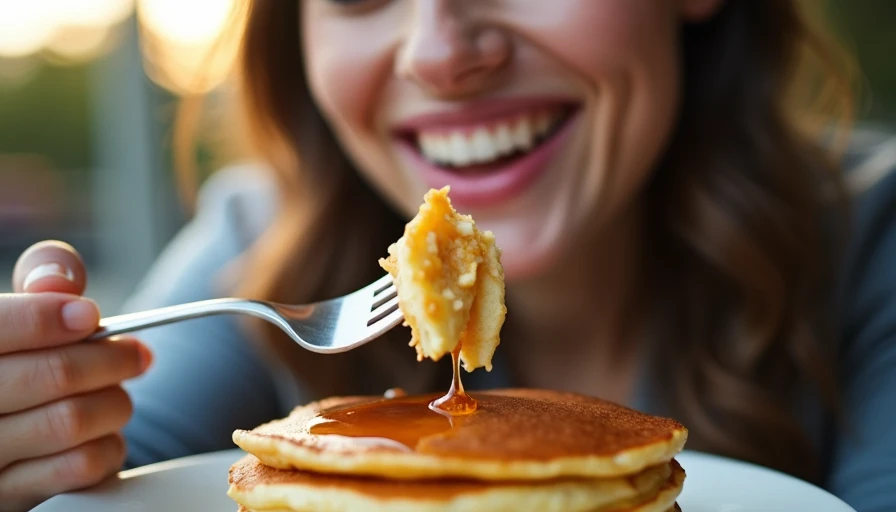
Pancakes are one of the cheapest useful breakfasts you can make, especially when the cupboard is down to flour, one egg, and a little milk. This recipe makes soft pancakes for one to four people without a special mix, fancy equipment, or a trip to a second grocery store. I tested the basic version in my narrow Columbus kitchen, where the pan handle hits the wall if I am not paying attention. The full batch cost about $2.35 at my local Kroger using store-brand ingredients, or roughly 59 cents per serving for four people.
You need 1 cup all-purpose flour, 2 tablespoons sugar, 2 teaspoons baking powder, 1/4 teaspoon salt, 1 egg, 3/4 cup milk, and 2 tablespoons melted butter or neutral oil. The butter adds better flavor, but vegetable oil works and is often cheaper. For topping, budget $1.99 for a small bottle of pancake syrup, or use a spoonful of jam, a sliced banana, or cinnamon sugar already in the kitchen.
The Simple Pancake Method
Put the flour, sugar, baking powder, and salt in a medium bowl. Stir with a fork so the baking powder is spread through the flour instead of sitting in one pocket. Make a small hole in the center and add the egg, milk, and melted butter. Stir only until you do not see dry flour. A few lumps are completely fine. Smooth batter is not the goal here, and overmixing is the fastest way to get tough pancakes.
Let the batter sit for five minutes while you heat a skillet over medium heat. If a drop of water sizzles and disappears quickly, the pan is ready. Grease it with a very thin layer of butter or oil. Pour about 1/4 cup batter for each pancake. When the edges look set and bubbles form across the top, flip once. The second side usually needs one to two minutes.
This makes approximately eight medium pancakes. For one person, cook half the batter and refrigerate the rest in a covered container for the next morning. The batter is best within 24 hours because the baking powder gradually loses strength. You can also cook the whole batch and refrigerate leftovers for three days, then warm them in a toaster or dry skillet.
What Went Wrong With My First Batch
My first pancakes were brown outside and wet in the middle because I turned the heat up while waiting for them to cook. That only burned the butter and left the center underdone. Medium heat is slower but more reliable. If the first one looks pale, wait another minute before adjusting the burner. If it is dark before bubbles appear, lower the heat.
A batter that spreads like water needs a tablespoon or two of flour. A batter that sits in a thick mound needs a splash of milk. Add either adjustment gradually; dumping in half a cup is how a small correction becomes a whole new problem. The first pancake is a test, not a grade. Use it to check heat, thickness, and salt before cooking the rest.
Do not press down on pancakes after flipping. That pushes out the air that makes them tender. Also, do not stack them immediately if you want crisp edges. Put cooked pancakes on a plate, or keep them in a 200-degree oven for a short time while you finish the batch. If you have no oven space, a clean plate works just fine.
Cheap Ways to Change the Recipe
For banana pancakes, mash one very ripe banana into the wet ingredients and reduce the sugar to 1 tablespoon. The banana adds sweetness and moisture, although the pancakes will be softer and may brown faster. For apple cinnamon pancakes, grate half an apple and squeeze out a little juice before stirring it in with 1/2 teaspoon cinnamon.
When I have yogurt nearing its expiration date, I replace half the milk with plain yogurt and add an extra tablespoon of milk if the batter is too thick. This makes a slightly tangy breakfast and prevents a small container from going to waste. A tablespoon of peanut butter stirred into the batter can add flavor, but it also makes the mixture heavier, so keep the pancakes small.
Chocolate chips are not necessary, but one tablespoon scattered onto each pancake feels like a real change for about 25 cents. Frozen blueberries work too. Do not thaw them first; sprinkle them over the batter in the pan so the color does not turn the entire bowl gray. These are small choices, but they keep a low-cost breakfast from feeling like the same plate every morning.
Pancakes for Meal Prep and Leftovers
For a single cook, this recipe is useful because the ingredients overlap with other inexpensive meals. Flour can thicken soup, eggs can become fried rice, and milk can go into oatmeal or macaroni. Buying a full carton only makes sense if you have another plan for it. If not, shelf-stable milk or a smaller container can reduce waste even when the per-ounce price is higher.
Cool leftover pancakes completely before storing them. Place parchment or wax paper between them if you have it, then refrigerate in a sealed container. To freeze them, arrange them in one layer until firm and transfer them to a freezer bag. Reheat directly from frozen in a toaster, skillet, or microwave. The microwave is fastest, but the skillet gives the edges a better texture.
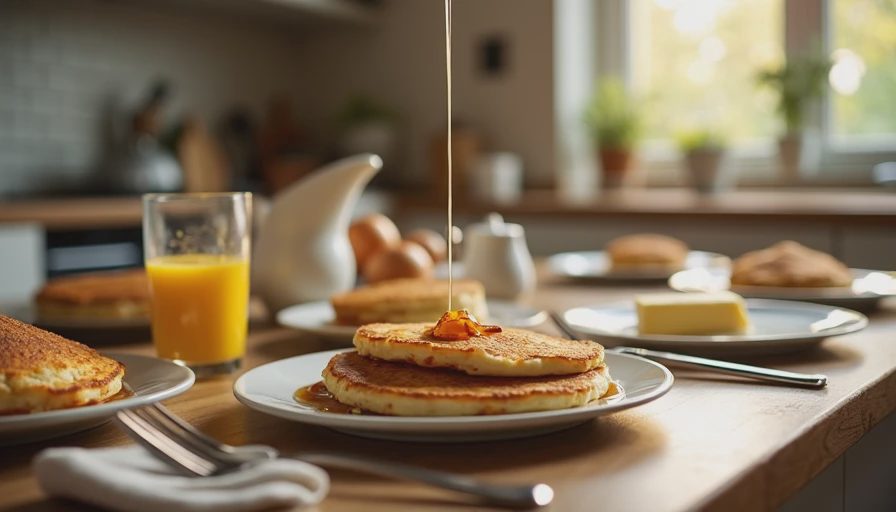
For a cheap breakfast plate, serve two pancakes with one scrambled egg and half a banana. At my recent Kroger prices, that came to about $1.25 per serving when using store-brand flour, eggs, and a banana. Price it out, then tell me it does not work. It is not restaurant food, and it does not need to pretend to be. It is warm, filling, and made from ingredients that can carry several meals.
The Best Beginner Routine
Before starting, measure everything and put the pan on the burner. Read the recipe once, because searching for baking powder with batter on your hands is how small kitchens become chaotic. Use a measuring cup for consistent portions, but do not worry if one pancake is larger than another. Homemade food is allowed to look homemade.
Cook the first pancake as a trial. Taste a small piece once it is safe to eat. If it needs salt, add a pinch to the remaining batter. If it needs sweetness, use syrup or fruit on top rather than stirring in a lot more sugar. Keep the heat steady and flip only once.
The real advantage of pancakes is not that they are impressive. It is that they are forgiving after you understand the few things that matter: fresh baking powder, moderate heat, a short mix, and a single flip. Start with the plain recipe, write down what you paid, and adjust the next batch around your actual kitchen and budget. That is how a cheap breakfast becomes a dependable one.