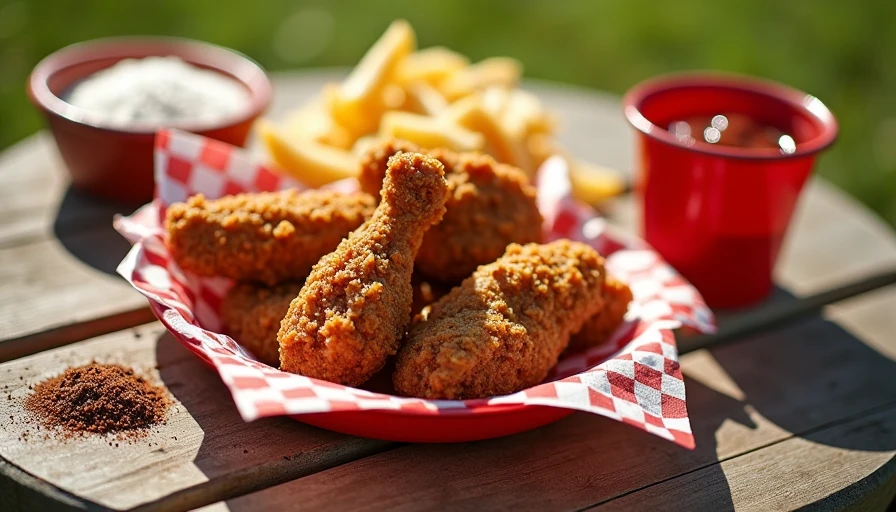
Fried chicken does not require a deep fryer, a giant grocery bill, or the confidence of somebody who has been cooking since birth. You need chicken, flour, oil, seasoning, and a pan you can trust. This version feeds four people for about $9 total if you shop carefully, or roughly $2.25 per serving. That is a real dinner, not a snack pretending to be one.
I make this with bone-in chicken thighs because they are usually cheaper than breasts and much harder to dry out. At my Columbus Kroger, a family pack can land around $1.49 to $2.49 per pound on sale. You can use drumsticks, too. The method stays the same: season the chicken, coat it, fry it steadily, and finish cooking without turning the outside into charcoal.
The cheapest useful shopping list
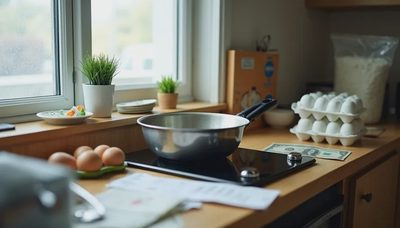
For four servings, buy 2.5 to 3 pounds of bone-in, skin-on chicken thighs or drumsticks. Plan on $5 to $7 for the chicken. You also need 2 cups of all-purpose flour, about 40 cents; 1 teaspoon salt; 1 teaspoon paprika; half a teaspoon black pepper; half a teaspoon garlic powder; and a pinch of cayenne if you like heat. These seasonings together cost less than a dollar when measured from containers already in your cabinet.
You need about 1.5 inches of neutral oil in a heavy skillet. Canola, vegetable, or peanut oil works. Do not pour an entire bottle into the pan unless you enjoy paying for oil you will have to store afterward. A 48-ounce bottle of store-brand vegetable oil often costs $4 to $7, but this meal uses only part of it. Add canned green beans, rice, or potatoes if you want a side. Rice and frozen vegetables can keep the full plate under $3 per person.
Take the chicken from its package and pat it dry with paper towels. Wet chicken makes the coating slide off, and I learned that by scraping flour paste off the bottom of my pan. Season both sides before the flour. If you have time, let the seasoned pieces sit for 15 minutes while you prepare the coating. That small pause gives the salt a chance to stick instead of falling directly into the trash.
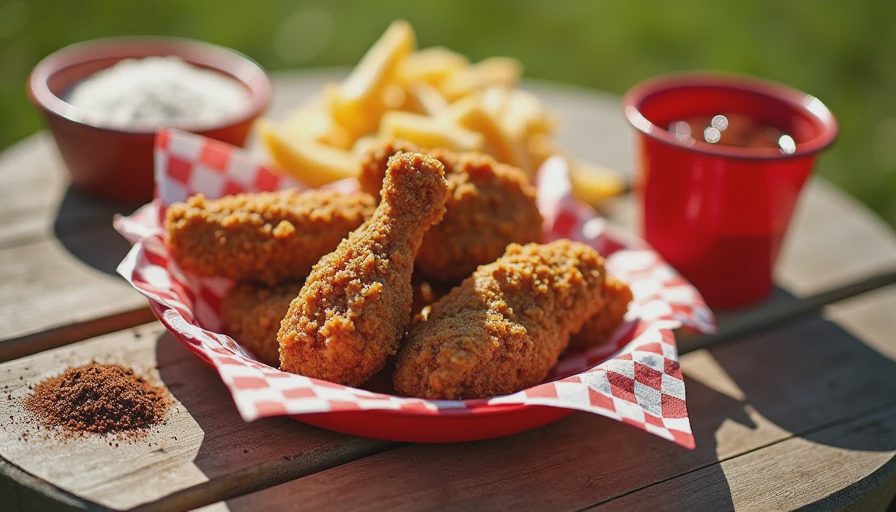
How to make Fried chicken without burning it
Put the flour and seasonings in a shallow bowl or pie plate. Press each piece of chicken into the flour, turn it, and press again. You want a thin, rough coating rather than a thick white blanket. Shake off loose flour. Extra flour drops into the oil, burns, and makes the next batch taste bitter.
Heat the oil in a large skillet over medium heat. If you have a thermometer, aim for about 350 degrees Fahrenheit when the chicken goes in. Without one, drop a pinch of flour into the oil. It should sizzle immediately but not turn dark within seconds. If the oil smokes, remove the pan from the burner for a minute and lower the heat. Smoke means the oil is too hot, not that dinner is nearly ready.
Place the chicken skin-side down, leaving space between pieces. Crowding lowers the oil temperature and gives you pale, greasy Fried chicken. For a 12-inch skillet, cook three or four pieces at a time. Fry the first side for about 6 to 8 minutes, then turn the chicken with tongs. Cook the second side for another 6 to 8 minutes. Keep the heat at medium or medium-low; loud, aggressive bubbling is usually a warning.
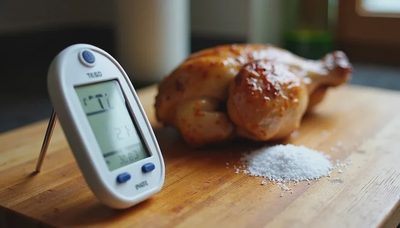
Chicken thighs can take 15 to 20 minutes total, depending on size. The safest test is an instant-read thermometer inserted into the thickest part without touching the bone. Chicken should reach 165 degrees Fahrenheit. If the coating is brown but the center is not done, move the pieces to a baking sheet and finish them in a 375-degree oven for 8 to 12 minutes. That is better than burning the outside while waiting for the middle.
Set cooked pieces on a wire rack over a sheet pan, not directly on paper towels if you can avoid it. The rack lets steam escape, so the bottom stays crisp. If paper towels are all you have, use them and do not stack the chicken. Stacking traps steam and turns crisp coating soft within minutes.
What usually goes wrong
If the coating falls off, the chicken was probably too wet, the oil was too cool, or you flipped it too soon. Pat the chicken dry, let the flour-coated pieces rest for five minutes before frying, and wait until the first side has formed a firm crust before turning. If the crust burns before the chicken cooks, your burner is too high or your pieces are too large. Lower the heat and finish the chicken in the oven.
If the Fried chicken tastes bland, the flour was not seasoned enough. Do not dump salt over the finished pieces and hope for an even result. Mix the salt, paprika, pepper, and garlic powder directly into the flour. For a stronger flavor, add a tablespoon of hot sauce or pickle juice to a quick soak, then dry the chicken thoroughly before coating. A buttermilk soak is nice, but it is not required and can add $3 or more to the grocery bill.
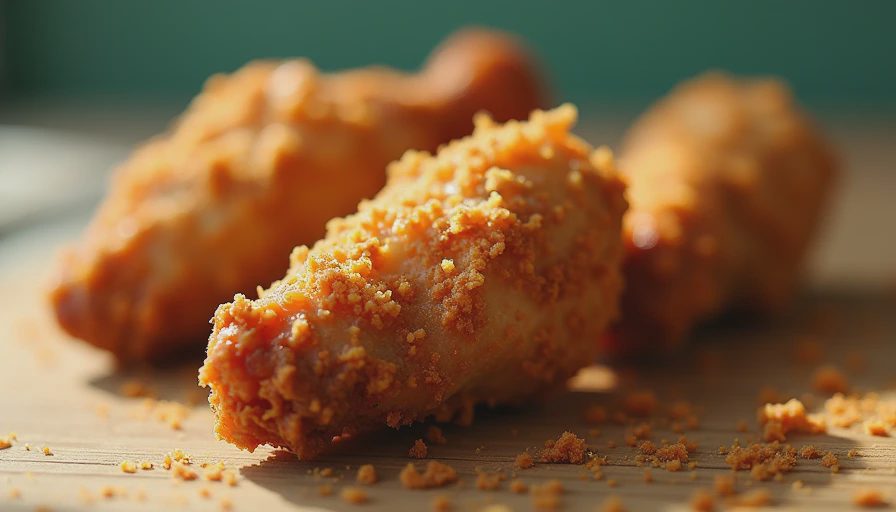
A $9 dinner and a useful leftover plan
Here is the price breakdown I use: $6 for three pounds of chicken, 40 cents for flour, 60 cents for seasonings and oil used, $1.25 for rice, and $1.50 for frozen green beans. The total is about $9.75, or $2.44 per serving. Sale prices can bring it lower, and a pantry with oil and flour already paid for makes the checkout total smaller.
Leftovers are worth planning because fried chicken reheats better than many cheap dinners. Remove the meat from the bones and refrigerate it in a shallow container within two hours. Eat it within three to four days. Reheat pieces in a 400-degree oven or air fryer until hot, rather than using the microwave alone. The microwave warms the inside, but it turns the coating soft. Chopped leftovers also work in rice bowls, sandwiches, or a simple salad.
For next time, freeze raw chicken in meal-size bags when you find a sale. Mark each bag with the weight and date. A three-pound package split into two dinners is easier to manage than one giant frozen block. You can also mix the flour seasoning ahead and keep it in a labeled jar, but do not store flour that has touched raw chicken.
Fried chicken is one of those meals where technique matters more than expensive ingredients. Keep the heat moderate, use a thermometer if you can, and do not crowd the pan. Price it out, then tell me it does not work: four filling servings, familiar groceries, and enough leftovers to make tomorrow easier.