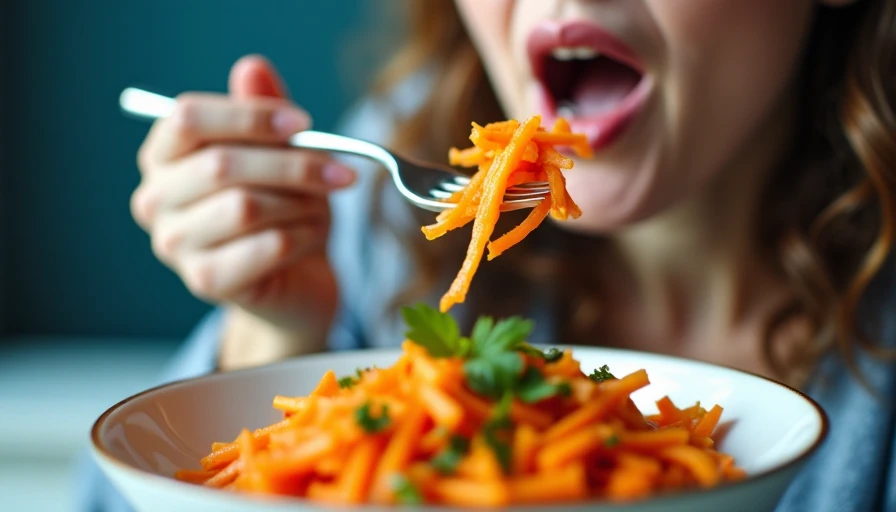
Carrot salad is one of those recipes that looks almost too simple to bother with, then saves dinner when the refrigerator is mostly empty. You need carrots, a little acid, oil, and a few pantry seasonings. The result is crisp, bright, and cheap enough to make without treating vegetables like a special occasion purchase.
I make this when I need something fresh next to grilled cheese, beans, leftover chicken, or a bowl of rice. At my Columbus Kroger, a two-pound bag of carrots is usually around $1.79, and this recipe uses about half the bag. With pantry oil and vinegar, the full bowl costs roughly $1.20 to $1.60, depending on whether you add herbs. That is about 30 to 40 cents per serving for four servings. Price it out, then tell me it doesn't work.
What you need for a basic carrot salad
For four side servings, start with 1 pound of carrots, which is usually six to eight medium carrots. Peel them if the skins look rough, then rinse and dry them. You will also need 2 tablespoons of apple cider vinegar or lemon juice, 1 tablespoon of neutral oil or olive oil, 1 teaspoon of honey or sugar, half a teaspoon of salt, and a few grinds of black pepper.
That is the complete base. You do not need Dijon mustard, fresh herbs, garlic, raisins, or specialty vinegar to make a good carrot salad. Those are useful additions, not entry fees. If you have half a lemon drying out in the refrigerator, use it. If you only have white vinegar, dilute it with a teaspoon of water and add a little extra sugar.
The most important equipment is a sharp knife or a box grater. A grater makes thin shreds quickly, while a vegetable peeler can create wide ribbons that look nice and soften faster. If you are using a knife, cut the carrots into thin matchsticks rather than chunky coins. Thick pieces stay hard and make the dressing taste separate.
How to make carrot salad without overthinking it
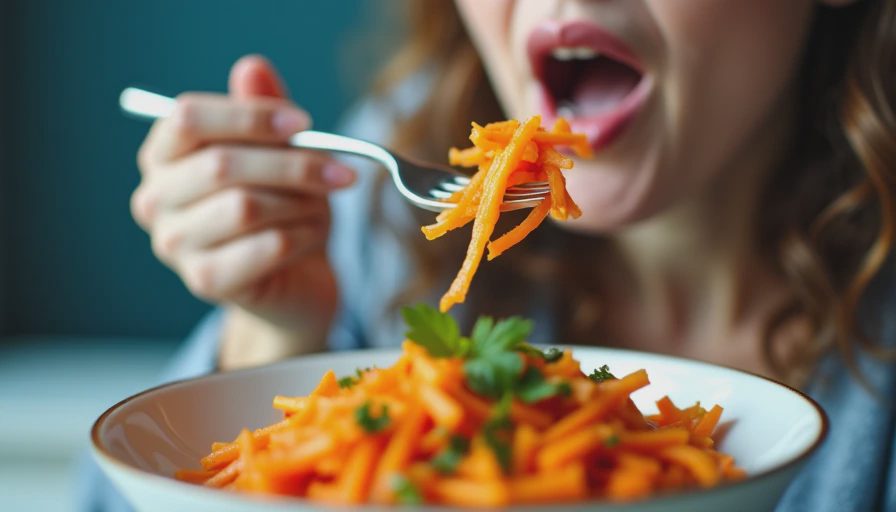
Wash and trim the carrots first. Grate them on the large holes of a box grater, or slice them into thin strips. Put the carrots in a medium bowl. In a cup, stir together the vinegar or lemon juice, oil, honey, salt, and pepper until the honey loosens into the liquid.
Pour the dressing over the carrots and toss with a fork, clean hands, or two spoons. Taste one piece. If it tastes flat, add a pinch of salt. If it is too sharp, add another half teaspoon of honey or sugar. If it tastes heavy, add a small splash of vinegar. You are not trying to create a restaurant sauce; you are trying to make carrots taste like something you want to keep eating.
Let the bowl sit for 10 to 15 minutes before serving. This short rest softens the shredded carrots slightly and gives the dressing time to spread through the bowl. A carrot salad made and eaten immediately is still fine, but the rested version tastes more balanced. Toss it once more before putting it on plates because dressing collects at the bottom.
Cheap additions that earn their place
A tablespoon of chopped parsley adds color and a grassy flavor, especially if you already have a bunch for another recipe. Two tablespoons of raisins add sweetness and make the salad more filling, though I would not buy a whole package only for this. A spoonful of sunflower seeds gives crunch for less money than many nuts. Toasted peanuts work too.
For a warmer version, add half a teaspoon of ground cumin and a pinch of smoked paprika. For a sweeter version, use lemon juice, honey, and raisins. For a sharper version, add a teaspoon of Dijon mustard. None of these changes are required, and the plain carrot salad is still the best choice when your grocery budget is doing that tight little squeeze.
Common mistakes and how to fix them
The first mistake is using too much oil. Carrots do not need to swim. One tablespoon is enough for a pound, particularly when the dressing includes vinegar or lemon juice. Extra oil makes the vegetables slick and mutes their flavor. If you already added too much, grate another carrot and toss it in to spread the dressing across a larger batch.
The second mistake is skipping salt. Carrots are sweet, and acid makes that sweetness stand out, but salt connects the two. Add it gradually because you can always add more. The third mistake is cutting the carrots too thick. If your pieces are crunchy in an unpleasant way, give them another chop or let the dressed bowl sit for 20 minutes.
If your carrot salad is watery, the carrots were probably very fresh or heavily rinsed. Drain off a little liquid, then add a teaspoon of vinegar and a pinch of salt only if the flavor needs it. Do not dump in more oil to fix wateriness. That solves the wrong problem.
Storage, lunches, and making the bowl go further
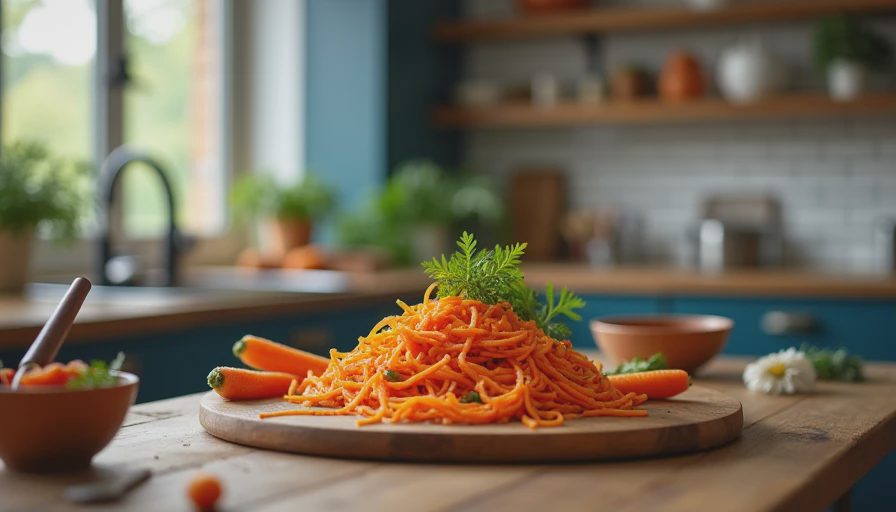
Store carrot salad in a covered container in the refrigerator. It is best on the first day, but it usually holds for two to three days. The carrots become softer and release more liquid over time, so stir before serving. I would not freeze it; the texture turns limp after thawing.
For meal prep, keep the shredded carrots separate from the dressing and combine one portion each morning. This takes an extra minute but keeps the vegetables crisp. If you already dressed the whole bowl, pack it beside rice and beans rather than next to bread, since the liquid can make bread soggy.
A serving makes a useful side, not a complete meal for most people. To stretch it into lunch, add a drained can of chickpeas, a chopped hard-boiled egg, leftover chicken, or cooked noodles. One can of chickpeas usually adds substantial bulk for around 80 to 100 cents at a store brand price. Add a piece of toast, and the bowl becomes much more satisfying without requiring another complicated recipe.
This is also a good way to use the last two carrots in a bag before they get rubbery. Trim soft ends, grate the usable parts, and check for dark or slimy spots before mixing. A little waste is normal, but forgotten produce is where grocery money disappears quietly.
A simple shopping plan for four servings
Buy a two-pound bag of carrots, a small lemon or inexpensive bottle of vinegar, and use oil, salt, pepper, and sugar from your pantry. The carrots will make two batches, so the first bowl costs approximately $1.25 and the second batch mostly costs your time. If you buy parsley, add about $1.00 to $1.50, but save the rest for eggs, soup, or sandwiches.
Compared with a packaged deli side that can cost several dollars, this carrot salad gives you more control and less plastic. It also works with the vegetables you actually find on sale. A handful of shredded cabbage, one grated apple, or a chopped cucumber can join the carrots without changing the basic dressing. Use what needs eating first.
The final check is simple: the carrots should be crisp but not hard, the dressing should taste bright rather than oily, and the bowl should not require a special trip to the store. Make it once as written, then adjust the sweetness and acidity for your kitchen. Beginner cooking gets easier when a recipe gives you room to notice what went wrong and fix it. This one does.