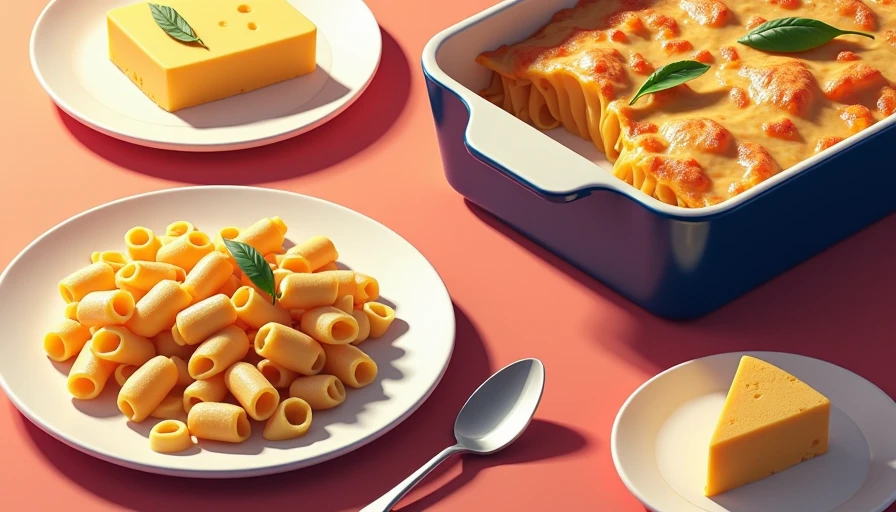
Macaroni and cheese is one of the first meals I recommend to anyone learning to cook. It uses cheap ingredients, cooks in one pot, and gives you dinner when the grocery budget is looking rough. This version serves four for about $5, or roughly $1.25 per serving, depending on your store and cheese prices. No special equipment, no complicated sauce, and no shame if you eat it three nights in a row.
The cheap, reliable ingredient list
For this macaroni and cheese, buy 8 ounces of elbow macaroni, 2 tablespoons of butter, 2 tablespoons of all-purpose flour, 2 cups of milk, and 2 cups of shredded cheddar cheese. Add half a teaspoon of salt, a quarter teaspoon of black pepper, and a small pinch of garlic powder if you have it. That is the whole base recipe.
At my Columbus Kroger, store-brand pasta is often around $1.25 for a 16-ounce box, so half the box costs about 63 cents. A half-gallon of store-brand milk might run $2.50, making the two cups here about 63 cents. Butter contributes roughly 30 cents, flour about 10 cents, and two cups of shredded cheddar can land between $2.50 and $3.50. The total comes to about $4.25 to $5.25 for four servings.
If shredded cheese costs more, buy an 8-ounce block and shred it yourself. That usually saves money, and the cheese melts smoothly when it is added off the heat. Mild cheddar is a safe beginner choice, but sharp cheddar gives you more flavor without requiring more cheese.
How to make macaroni and cheese without a broken sauce
Bring a medium pot of salted water to a boil. Cook the pasta one minute less than the package directions suggest. Drain it, but do not rinse it. Rinsing removes the starch that helps the sauce cling. Put the empty pot back on the stove over medium heat.
Melt the butter, then whisk in the flour. Keep stirring for about 60 seconds. This is called making a roux, but the useful part is simply that flour cooked in butter thickens the milk. Slowly pour in the milk while whisking. Add the salt, pepper, and garlic powder.
Cook the milk mixture for three to five minutes, stirring often. It should become thick enough to lightly coat a spoon. Do not let it boil hard. A gentle simmer is fine; aggressive boiling can make the sauce grainy or cause milk to stick to the bottom.
Turn off the heat before adding the cheese. Stir in one handful at a time until each handful melts. Add the cooked pasta and stir until every piece is coated. This stovetop macaroni and cheese is ready immediately, while the sauce is still loose and glossy.
What went wrong the first time I made it
My first homemade macaroni and cheese was a thick orange lump because I dumped cold cheese into boiling milk and then kept cooking it. That is the mistake I want you to skip. High heat and cheese do not become friends just because you stir harder.
If the sauce is too thick, add milk one tablespoon at a time. If it is too thin, leave the pot over low heat for another minute or two before adding pasta. If the sauce tastes flat, add a pinch more salt first. Cheese needs enough salt around it to taste like cheese. A little mustard powder or a teaspoon of yellow mustard can also add depth, but neither is required.
If your sauce turns grainy, the heat was probably too high or the cheese was added too quickly. It is still edible. Add a splash of warm milk and stir gently. It might not become perfectly smooth, but it will usually taste better than throwing away dinner.
Three ways to stretch the pot
The easiest way to stretch macaroni and cheese is to add a vegetable. Frozen peas, broccoli, corn, or chopped spinach can go into the pasta water during the last two minutes of cooking. A 12-ounce bag of frozen peas often costs around $1.25, and using half the bag adds only about 16 cents per serving to a four-person meal.
You can also add protein without buying a specialty ingredient. Stir in one drained can of tuna, leftover shredded chicken, chopped hot dogs, or a fried egg on top. Canned tuna often costs $1 to $1.50, while one leftover chicken thigh can turn this into a more substantial dinner.
For extra bulk, use a full 16-ounce box of pasta but increase the milk to 3 cups, the flour to 3 tablespoons, the butter to 3 tablespoons, and the cheese to 3 cups. The result will be less cheesy per bite, but it can feed five or six people with a vegetable on the side. That is a useful trade when the goal is dinner, not a restaurant portion.
Oven-baked macaroni and cheese for leftovers
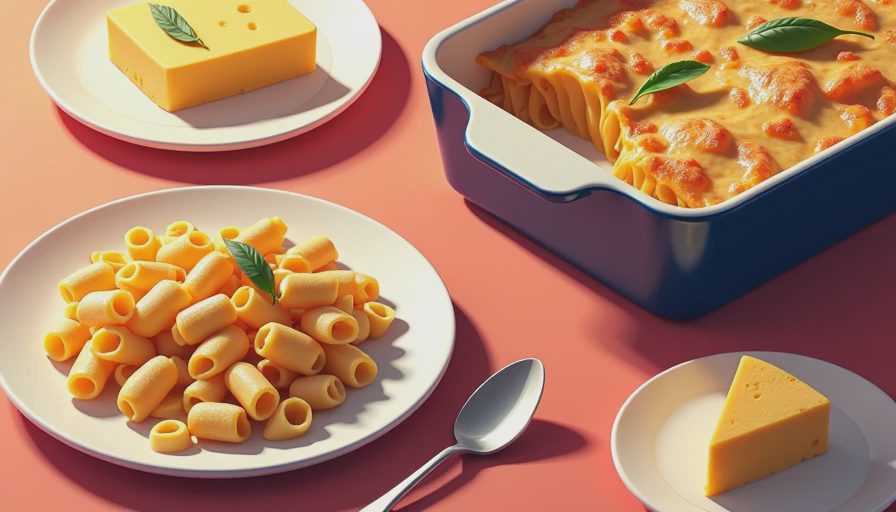
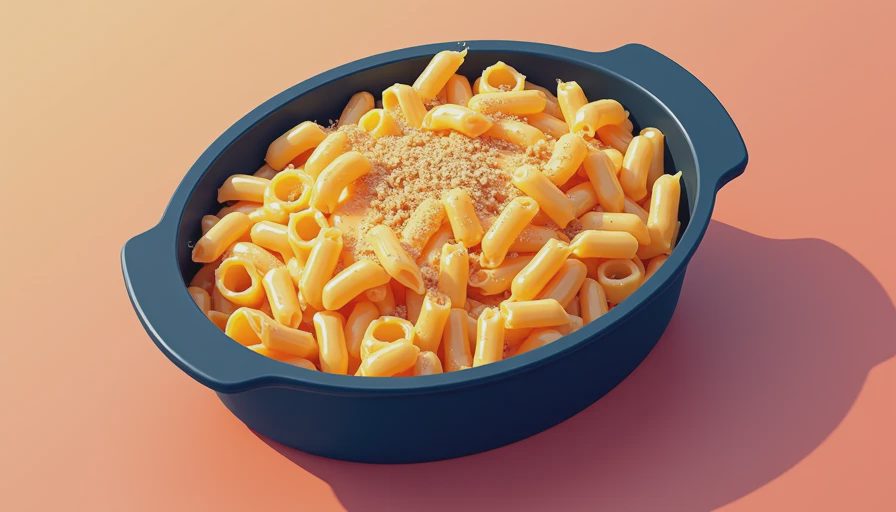
The stovetop version is fastest, but baked macaroni and cheese is useful when you want firmer leftovers. Make the sauce as described, then stir in the pasta and pour everything into a greased 8-inch square baking dish. Sprinkle a quarter cup of extra cheese or breadcrumbs over the top.
Bake at 375 degrees Fahrenheit for 20 to 25 minutes, until the edges bubble. Do not bake it for an hour. Long baking dries out the sauce, especially when the dish is shallow. Let it sit for five minutes before serving so the cheese sauce settles instead of running across the plate.
For leftovers, store the dish in a covered container in the refrigerator and use it within three to four days. Reheat one serving with a tablespoon of milk, stirring once halfway through. The microwave can make the sauce tight, but the added milk brings it back much better than reheating it dry.
Cheap variations that are actually worth making
A spoonful of salsa and a little cumin turns macaroni and cheese into a mild southwest-style bowl. Stir in canned black beans for more bulk. For a smoky version, add paprika and chopped cooked sausage. For a green version, use frozen broccoli and a little extra black pepper.
You do not need three expensive cheeses. If you already have small pieces of mozzarella, Monterey Jack, or American cheese, use them with cheddar. American cheese melts especially smoothly, while mozzarella adds stretch but not much flavor. A blend built from what is already in the refrigerator is more practical than buying four new packages.
One warning: do not add raw vegetables with lots of water, such as fresh tomatoes, directly to the sauce. They can thin it and make the dish watery. Cook them separately or drain them well first.
The grocery-list version
For the cheapest workable shopping trip, buy store-brand elbow pasta, a block of cheddar, milk, butter, and flour. That list gives you the base for macaroni and cheese plus ingredients you can reuse for pancakes, grilled cheese, soup, and thickened sauces. If you already have butter, flour, salt, and pepper, the extra grocery cost can be close to $3 for four servings.
Price it out before you shop, especially when cheese is on sale. A $2 block can change the whole meal total. The point is not to pretend every budget meal costs the same in every town. The point is to know what you are paying and what the pot will feed.
Macaroni and cheese will not solve every grocery problem, but it is a dependable starting place: filling, flexible, and hard to ruin beyond repair. Make the sauce gently, turn off the heat before adding cheese, and fix the texture with milk instead of panic. A $1.25 dinner that works is a real win.