Six lunches for eight dollars is doable if you treat the money as a small set of building blocks instead of six separate meals. I did this last week when I needed to cover work lunches without touching the main grocery budget. No coupons, no bulk warehouse run, just a regular store and a focus on ingredients that stretch.
Here is the exact list, the real math, how the food was cooked, and how the six lunches actually looked so they didn’t all taste identical.
The $8 Shopping List (Actual Prices Paid)
1 lb dry brown or green lentils: $1.69
1 lb bag white rice (used about half): $0.99 for the portion I cooked
6 large eggs: $1.50 (half a dozen from a larger carton, costed out)
1 can diced tomatoes: $0.89
1 yellow onion: $0.49
1 bag frozen mixed vegetables (12–16 oz): $1.49
Garlic, oil, salt, pepper, and basic spices already in the house: $0
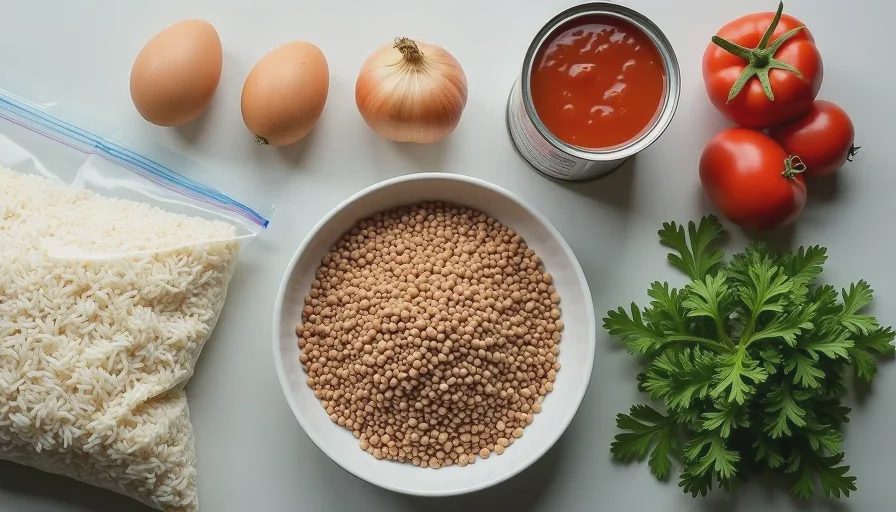
Total: $7.05–$8.05 depending on exact store prices that day. I rounded up to $8 to cover any small variation and the oil used.
That haul produced a big pot of lentil-tomato mixture, a pot of rice, and six eggs. Everything else was assembly and seasoning.
The Math Per Lunch
Total food cost: $8
Number of lunches: 6
Cost per lunch: $1.33
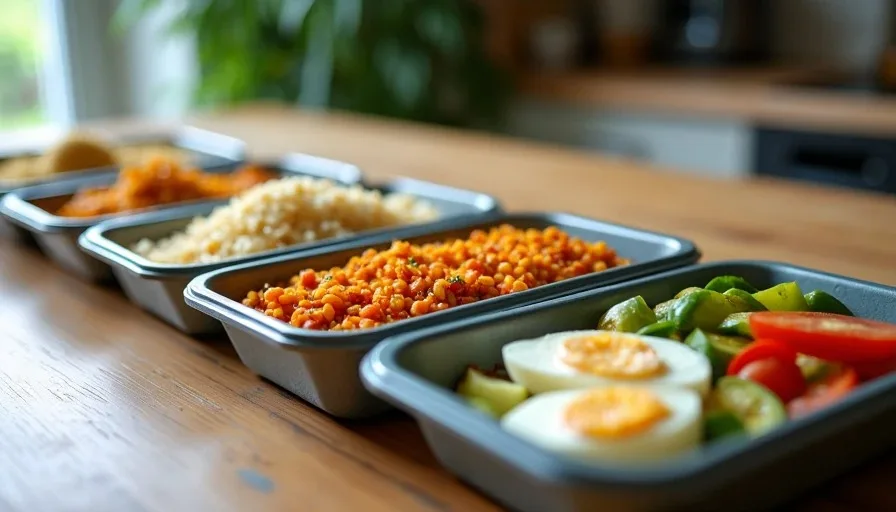
Each lunch had:
A base of rice
A scoop of the lentil-tomato mixture
Vegetables
One egg (fried, scrambled, or hard-boiled)
Seasoning
Volume-wise each container was filling for a normal adult lunch. Protein came from the lentils plus the egg. The rice and vegetables added bulk so it actually felt like a meal instead of a snack.
How the Cooking Went (About 45–50 Minutes Total)
Lentils
Rinsed 1 cup dry lentils (the whole pound is more than needed for six lunches, so I cooked about half and saved the rest dry). Combined with the can of diced tomatoes, the chopped onion, water to cover by about an inch, salt, and garlic. Simmered until the lentils were soft but not falling apart, about 25–30 minutes. The tomatoes and onion gave it enough flavor that it didn’t taste like plain boiled lentils. This made enough for six generous scoops plus a little extra.
Rice
Cooked 1½ cups dry rice with the usual water ratio. That produced enough for six portions with a bit left over. Salted the water. Fluffed and cooled.
Vegetables
Cooked the frozen mixed vegetables in a pan with a little oil and salt until heated through and any excess water was gone. Can also be stirred into the lentils in the last few minutes if you want fewer dishes.
Eggs
I cooked them different ways across the days so the lunches didn’t feel identical. Two hard-boiled ahead of time, the rest fried or scrambled fresh in the morning or the night before.
Total active work was under an hour. Most of it was simmering time.

How the Six Lunches Were Actually Different
Same core ingredients, different assembly and egg treatment:
Rice + lentils + vegetables + fried egg on top (yolk still soft)
Rice + lentils mixed together + hard-boiled egg sliced
Rice + lentils + extra vegetables + scrambled egg mixed through
Lentils as the main volume with a smaller amount of rice, fried egg, hot sauce
Rice base with lentils on the side, hard-boiled egg, cold vegetables for texture contrast
Everything mixed, leftover bits, scrambled egg, finished with whatever seasoning was left
The variation is mostly in the egg and the ratio of rice to lentils. That small change is enough to keep it from feeling like pure repetition when you’re eating it five or six days in a row.
Why This Worked Instead of Tasting Like Punishment
Lentils are one of the cheapest ways to get protein and fiber that actually fill you up. Combined with an egg they clear the “I’m going to be hungry again in an hour” problem that pure rice-and-vegetable lunches often have.
The tomato and onion in the lentils gave a base flavor so each lunch didn’t need a different sauce. Salt and a little spice did the rest.
Cooking the components separately let me adjust the ratios each day. Full pre-mixed meal-prep containers of the exact same thing get old faster.
The cost stayed low because almost everything was dry goods or frozen. No fresh meat, no expensive cheese, no specialty ingredients.
Realistic Limitations
This is a lunch rotation, not a gourmet experience. By lunch six you know exactly what you’re getting. It helps if you have hot sauce, soy sauce, vinegar, or any leftover pickles or salsa to change the final seasoning.
It also assumes you have access to a way to reheat (microwave or stove). The hard-boiled egg versions can be eaten cold if needed, but the fried or scrambled egg versions are better warm.
If you have a bigger appetite you might want to cook the full pound of lentils and a bit more rice. The $8 framework still holds; you just adjust quantities.
Small Upgrades If You Find an Extra $2–3
A second onion or some garlic
A cheap block of cheese to grate on top
A second can of tomatoes or a can of beans
Tortillas instead of or in addition to rice
Any of those stretch the same idea further or add another texture.
This exact $8-to-6-lunches approach has gotten me through multiple tight weeks. It’s not exciting, but it is reliable, filling, and cheap enough that it doesn’t stress the rest of the budget. The math is clean: under $1.40 a lunch with real protein and enough volume to count as a meal.
Your turn. Show me a low-cost lunch stretch you’ve actually done — ingredients, rough cost, and how many meals you got. Even better if you include the parts that got boring and how you fixed them. The practical versions are always more useful than the perfect ones.