Dense bean salad is one of my favorite answers to the question, “What can I make without turning on the stove?” It uses inexpensive canned beans, whatever crisp vegetables are on sale, and a dressing you can shake in a jar. The result is filling, keeps well for several days, and does not require knife skills beyond chopping things into bite-size pieces.
This version makes about four generous servings. At my Columbus Kroger prices, it costs roughly $8.40 total, or $2.10 per serving. If you already have vinegar, oil, salt, and pepper, the price drops closer to $1.50 per serving. Price it out, then tell me it doesn’t work.
What you need for the salad
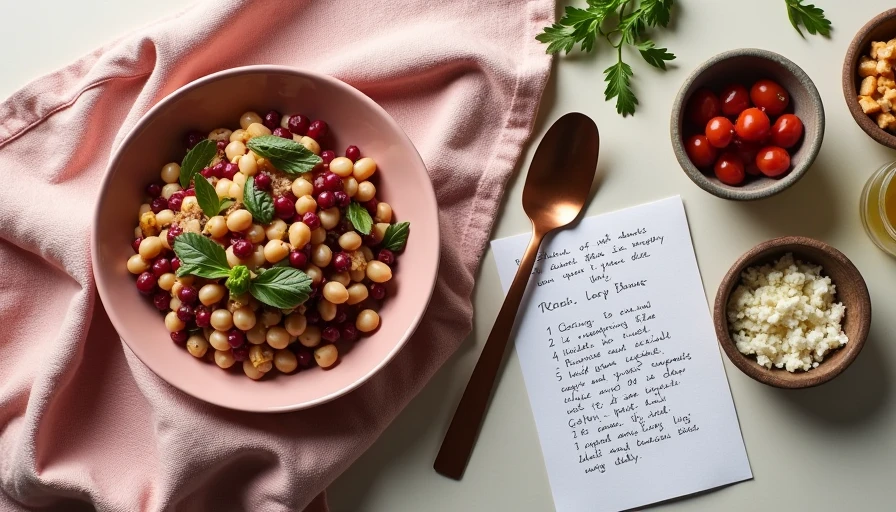
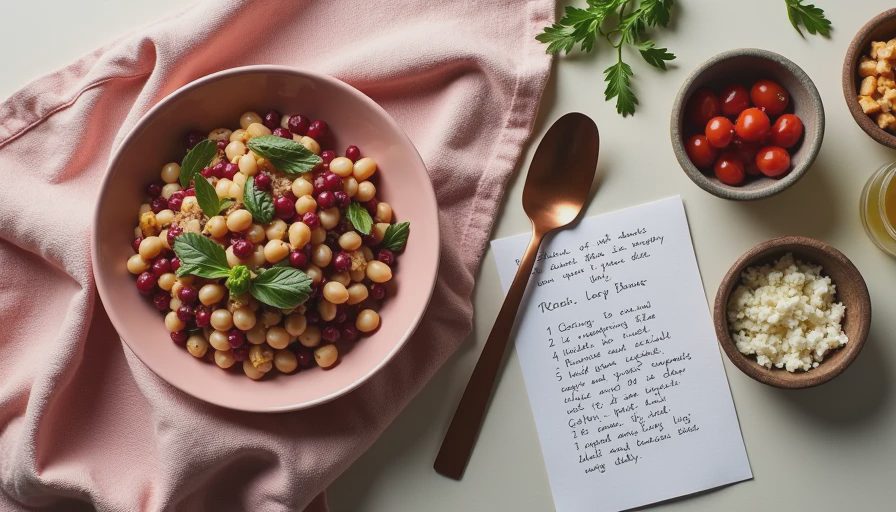
Start with two 15-ounce cans of beans. I usually use one can of chickpeas and one can of kidney beans because that combination is affordable and holds its shape. Black beans, cannellini beans, pinto beans, or a store-brand three-bean mix will also work. Drain them in a colander and rinse under cold water until the liquid stops foaming. You do not need to soak canned beans.
Add one small cucumber, two Roma tomatoes, half a red onion, and a handful of parsley or cilantro. A bell pepper is excellent if it is on sale, but it is not required. For a more filling bowl, add a half cup of corn, a chopped hard-boiled egg, or a little crumbled feta. The basic salad is still good without any of those extras.
For the dressing, mix three tablespoons of olive or canola oil, two tablespoons of lemon juice or vinegar, one teaspoon of mustard, half a teaspoon of garlic powder, half a teaspoon of salt, and several turns of black pepper. If you like a sweeter dressing, add half a teaspoon of sugar. That tiny amount rounds out the vinegar without making the salad taste sweet.
How to make dense bean salad without a soggy mess
Put the rinsed beans in a large bowl first. Chop the cucumber, tomatoes, onion, and herbs, then add them. Pour the dressing over everything and stir gently with a large spoon. If you stir aggressively, the kidney beans split and the tomatoes turn into pulp. I learned that one after making a bowl that looked like pink salsa with beans in it.
Let the mixture sit for at least 15 minutes before eating. Thirty minutes is better because the beans absorb the dressing. If you are preparing it for tomorrow’s lunch, leave out the herbs until serving time. They stay brighter that way. Store the salad in a covered container in the refrigerator and use it within three to four days.
The finished dense bean salad should taste bright, salty, and a little sharp, not watery. If it tastes flat, add salt first. If it tastes heavy, add another splash of lemon juice or vinegar. If the vegetables released a lot of liquid overnight, drain a spoonful before serving and add a small drizzle of oil.
Cheap substitutions that do not ruin it
This is a very forgiving recipe, which matters when your grocery bag is built around sale stickers. No cucumber? Use shredded cabbage, celery, or a diced green pepper. No tomatoes? A drained can of diced tomatoes works, although fresh tomatoes give a better texture. No fresh onion? Use two tablespoons of chopped green onion or a quarter teaspoon of onion powder in the dressing.
You can also change the beans based on price. At my store, canned chickpeas are often around $1.09, while some specialty beans cost $1.79 or more. The salad does not become better because the label says “artisan.” Store-brand beans are fine. If dried beans are already in your pantry, cook about three cups and cool them completely before mixing.
For extra protein, tuna is an easy addition, but add it only to the portion you plan to eat that day. The same goes for avocado. It tastes good, but it browns and softens quickly. Shredded cheese, olives, pickled jalapenos, or leftover roasted vegetables are better make-ahead additions.

How I portion it for lunches
I divide the dense bean salad into four containers, putting a handful of greens or cooked rice in each one only when I have them available. Rice makes the portions stretch, while greens add volume without changing the flavor much. Keep crackers, pita, or toast separate so they do not become damp overnight.
For a work lunch, one container with a piece of fruit is usually enough for me. My younger brother prefers his over microwave rice with hot sauce. A spoonful of plain yogurt also makes the dressing creamy, but add it right before eating rather than mixing it into the whole batch.
The texture changes over time, and that is normal. Day one is crunchy and fresh. Day two is more seasoned and softer. By day three, I usually eat it over toast or scoop it into a tortilla. If you know you dislike soft vegetables, make half a batch instead of forcing yourself through four identical lunches.
What went wrong the first time
My first attempt at dense bean salad had too much raw onion and not enough salt. It tasted harsh, and I decided the recipe was bad. The real problem was that I used half a large onion when the recipe needed half a small one. I fixed it by adding another can of beans, one chopped cucumber, and more lemon juice. That turned a mistake into six portions instead of four.
Another failure came from skipping the rinse. The bean liquid made the dressing cloudy and slightly gritty. Rinsing takes less than a minute and makes the vegetables taste cleaner. I also used a small cereal bowl, which made stirring difficult and sent chickpeas across the counter. Use the largest bowl you have; the salad needs room to move.
If the salad seems boring, do not immediately buy expensive ingredients. Try smoked paprika, chili flakes, dried oregano, or a spoonful of pickle juice. Those are cheap flavor changes. A little crumbled feta can make the whole bowl feel different, but it is a topping, not a requirement.
A simple budget and shopping plan
For four servings, my usual list looks like this: two cans of beans at $1.09 each, one cucumber at about $0.79, two Roma tomatoes for roughly $1, half an onion at $0.40, and a lemon at around $0.60. Oil, mustard, salt, pepper, and garlic powder are pantry costs. The total lands near $5 before optional toppings, or about $1.25 per serving.
If you need to buy every dressing ingredient, the first batch costs more, but those bottles last through many meals. Compare that with a deli lunch that can easily run $10 or more. This is not restaurant food, and it does not need to pretend to be. It is a cold, filling meal that waits in the refrigerator when you are tired.
Make dense bean salad when the vegetables look fresh and cheap, then adjust the recipe around what you bought. That is the whole point: beans provide the sturdy base, and the rest can move with your budget.
Final answer: make it once, then adjust
Dense bean salad works because it is flexible, inexpensive, and difficult to completely ruin. Rinse the beans, keep the dressing sharp, chop the vegetables small, and give everything time to sit. Start with the basic version before adding extras. After that, you can turn it into lunch bowls, wraps, toast topping, or a side dish for eggs.
If your grocery money is tight this week, buy the beans, one crunchy vegetable, one acidic ingredient, and use pantry seasoning. That is enough. A $1.25 meal that keeps you fed is a genuine win, not a consolation prize.