If you are searching how to cook fish because the fillets in your freezer look intimidating, start here: use moderate heat, dry the fish first, season it simply, and stop cooking when it flakes easily. That is the whole foundation. You do not need a special pan, a seafood thermometer, or a kitchen full of expensive ingredients.
I learned this after ruining a bag of frozen tilapia by dropping wet fillets into a cold pan and then turning the heat up until the outside was rubber. The fix was not better fish. It was drying the fillets, using a little oil, and paying attention. A 12-ounce bag of frozen tilapia from Kroger cost me $5.49, enough for two generous portions at about $2.75 each before adding rice or vegetables.
Start with the fish you can afford
Fresh fish is not automatically better for a beginner. Frozen tilapia, pollock, cod, and salmon are often easier to budget because you can use only what you need and keep the rest frozen. Look for individually wrapped portions when possible. They thaw faster and prevent the familiar problem of defrosting an entire package for one person.
To thaw fish safely, put it in the refrigerator overnight on a plate. If dinner is sooner, keep the fish sealed in a leakproof bag and place it in cold water, changing the water every 30 minutes. Do not thaw it on the counter. The outside warms up long before the center is ready.
When you open the package, pat each fillet very dry with paper towels. This step matters more than a fancy seasoning blend. Surface moisture makes fish steam instead of brown. If the fish smells sharply sour or ammonia-like, do not try to rescue it with lemon; throw it away.
For a cheap meal, I usually serve one six-ounce fillet with half a cup of rice and a cup of frozen green beans. At my Columbus Kroger prices, that can land around $3.25 per serving, depending on the fish sale. Price it out, then tell me it does not work.
How to cook fish in a skillet
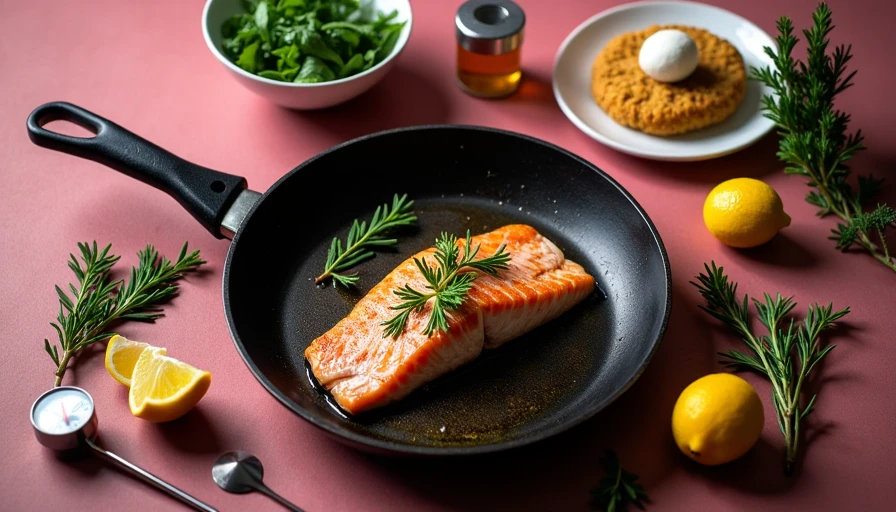
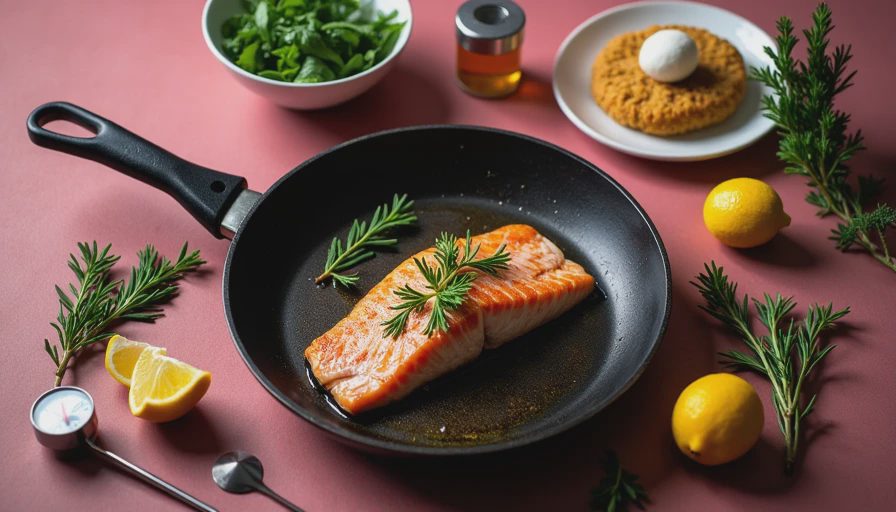
A skillet is my first choice because it is fast and gives you a visible signal when dinner is close. For two fillets, use one tablespoon of neutral oil, such as canola or vegetable oil. Heat the pan over medium heat for about two minutes. You want the oil to look loose and shiny, not smoking.
Season both sides with salt, black pepper, and paprika. Garlic powder is fine; fresh garlic can burn before the fish finishes. Put the thicker side of each fillet in the pan and leave it alone for three to four minutes. Moving it too early is how fish breaks apart.
When the underside is golden and the fish looks opaque about halfway up the sides, flip it with a thin spatula. Cook another two to four minutes, depending on thickness. The center should reach 145 degrees Fahrenheit, or the flesh should be opaque and separate easily with a fork. A thermometer removes the guesswork, but you can learn the visual cues with practice.
Finish with a squeeze of lemon or a teaspoon of butter. If the fish sticks, wait another 30 seconds; it often releases when the crust has formed. Do not scrape aggressively. A few torn edges still taste like dinner.
How to cook fish in the oven
The oven is the least stressful method when you are feeding several people or cooking a thicker piece. Heat it to 425 degrees Fahrenheit. Line a sheet pan with foil or parchment for easier cleanup, then place dry fillets on the pan with space between them.
Brush each piece with a little oil and season with salt, pepper, paprika, and dried herbs. You can add thin lemon slices, but do not bury the fish under a thick pile of vegetables because that traps steam. Bake small tilapia or pollock portions for 10 to 14 minutes. A thick salmon fillet may take 14 to 20 minutes.
The fish is done when the center is opaque and flakes with gentle pressure. Check the thickest part, not the thin tail. If you have a thermometer, 145 degrees is the reliable finish line. Let the fish rest for two minutes while you put rice on plates.
This method also works for meal prep, although fish is best within two days in the refrigerator. Reheat it gently in a covered skillet or microwave at reduced power. High heat turns yesterday's dinner into dry flakes.
How to cook fish in an air fryer
An air fryer is useful for small portions because it heats quickly and gives the surface some color without much oil. Preheat it to 400 degrees for three minutes, if your model recommends preheating. Pat the fish dry, brush it lightly with oil, and season it before placing it in the basket.
Cook thin fillets for about eight to 10 minutes and thicker pieces for 10 to 14 minutes. Check early the first time because air fryer baskets and fish portions vary. Leave room around each fillet so hot air can circulate. Stacking pieces guarantees uneven cooking.
For a simple crunchy coating, mix two tablespoons of breadcrumbs with a pinch of salt, paprika, and one teaspoon of oil. Press it onto the top of the fish. This uses pantry ingredients instead of buying a frozen breaded product, and it gives budget tilapia enough texture to feel like a planned meal.
What to serve with it on a budget
Fish cooks quickly, so choose sides that do not demand more attention than the main dish. Rice, couscous, baked potatoes, frozen peas, canned corn, and bagged salad all work. I like rice because one cup of dry rice makes several portions and absorbs a simple pan sauce.
For a cheap sauce, stir together two tablespoons of plain yogurt, a squeeze of lemon, a pinch of salt, and a little garlic powder. No yogurt? Use a spoonful of mayonnaise thinned with lemon juice. Another dependable option is butter with paprika and a splash of the pasta water from a side of noodles.
If the fish tastes bland, add acidity before adding more salt. Lemon juice, vinegar-based hot sauce, or a spoonful of salsa can wake up a plain fillet. If it tastes dry, chop it into rice with a little sauce rather than pretending the texture did not happen. Leftover fish tacos are a legitimate repair plan.
Common mistakes and the cheap fixes
The first mistake is cooking fish straight from a wet package. Dry it thoroughly. The second is using high heat because you want dinner finished faster. Fish is delicate, and high heat can burn the outside while leaving the middle raw. Medium heat in a skillet is usually enough.
Another mistake is flipping repeatedly. Fish is not a pancake. Give it time to brown, then turn it once. Finally, do not judge doneness by cooking time alone. A narrow pollock fillet and a thick salmon portion will not finish together, even if they weigh the same.
If your fish falls apart, serve it over rice with sauce. If it is slightly overcooked, flake it into tacos or a sandwich with slaw. One disappointing fillet is not proof that you cannot cook. It is information for the next attempt.
A simple first dinner
For your first try, buy frozen tilapia, a lemon, rice, and a bag of frozen green beans. Thaw two fillets, pat them dry, and season with salt, pepper, paprika, and garlic powder. Cook them in one tablespoon of oil over medium heat for three to four minutes per side. Make sure the thickest part reaches 145 degrees or flakes cleanly.
Serve each fillet with rice, green beans, and lemon. The entire meal can stay near $3 to $4 per serving when the fish and vegetables are on sale. That is how to cook fish in a way that fits a real weeknight: inexpensive ingredients, one pan, and no dramatic technique. Start there, then change one seasoning at a time once the basic method works.